
Lewes is a lovely little town with plenty of things to see, including Anne of Cleves House, Lewes Priory and Lewes Castle with Barbican House Museum, in the same location. I’ve decided to talk about both the castle and the priory in a single post, as I have a lot of posts waiting to be published (and written).

Lewes priory was a victim of the Dissolution and, by chance, I read a book, in which it makes an appearance, in my holiday. So, I took a picture of the book at the priory. I also linked to the book review.
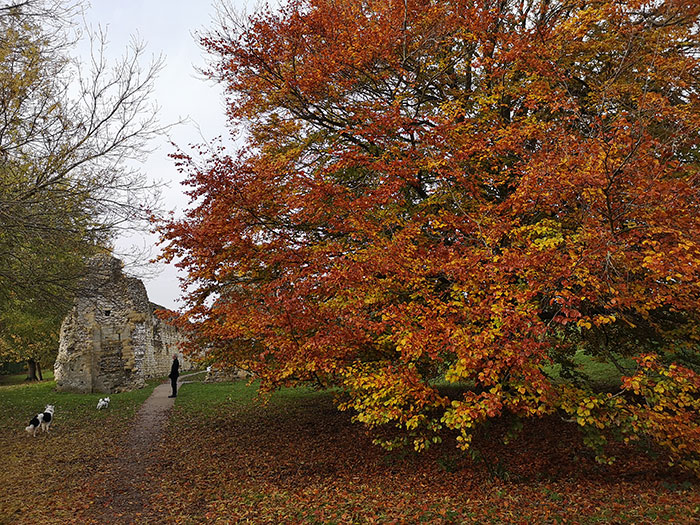
Today the priory is a park where people walk their dogs, having a lovely relaxing time. I can’t even imagine how hard it was for the cannons, the servants, and the locals to lose something so important in their lives. Some were filled with glee, hoping for a change, while others were filled with dread of the unknown.
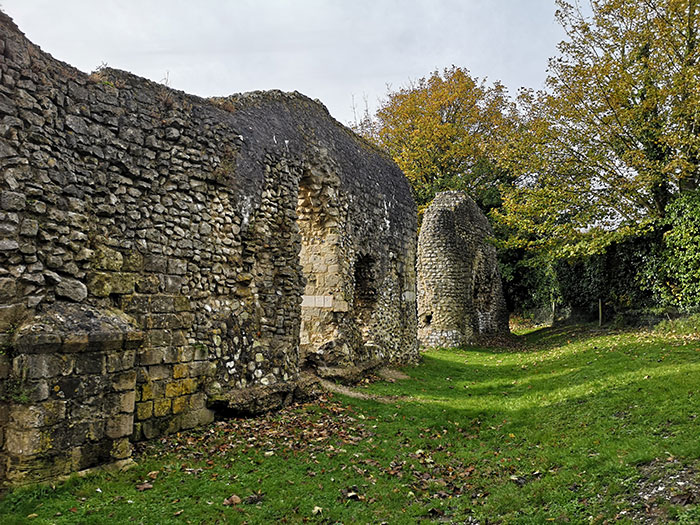
The priory is free to visit. There are a few plaques with details about the priory and those are worth reading.
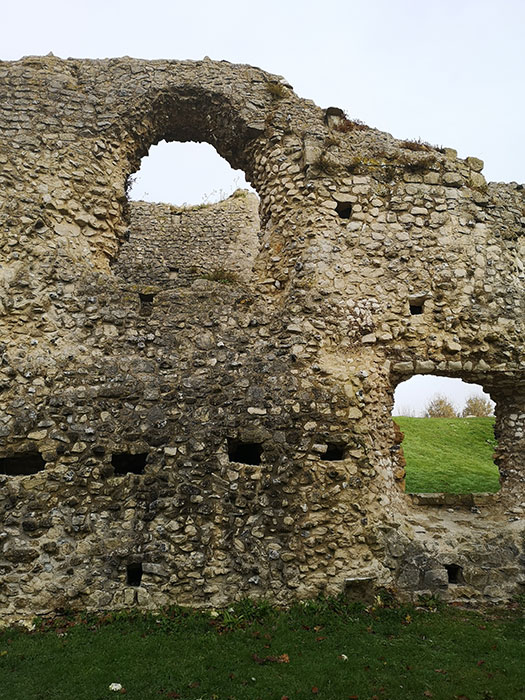
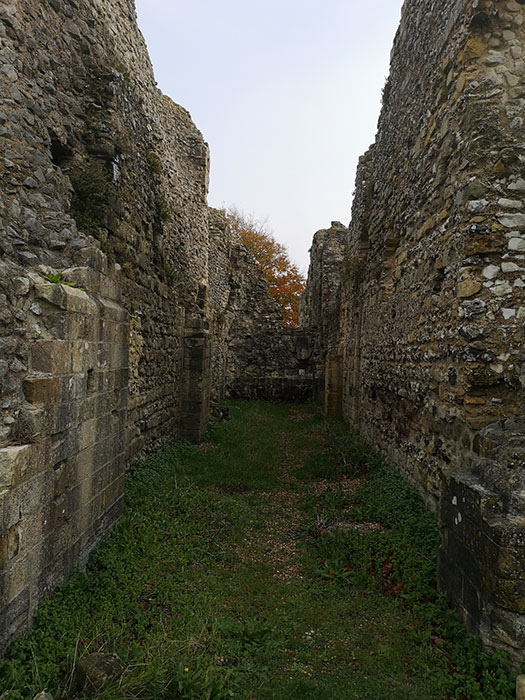
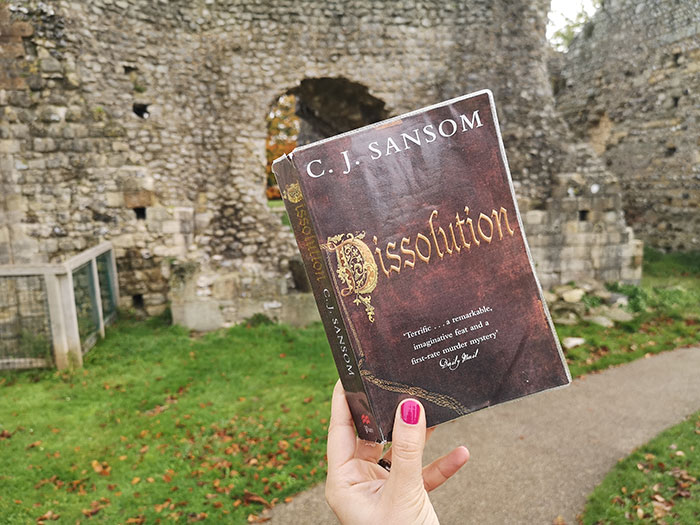
Here is my review for Dissolution by C. J. Sansom. I loved the book.
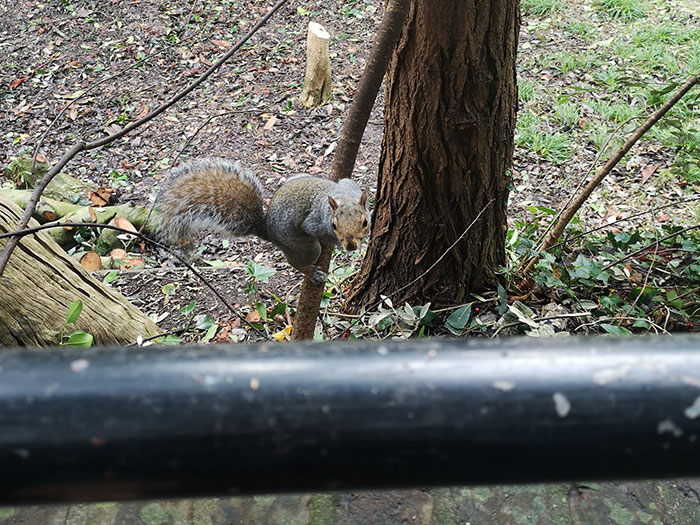
After leaving the priory and going towards the castle, we saw this cute and friendly squirrel. Unfortunately we didn’t have any nuts with us, to give her a little treat.
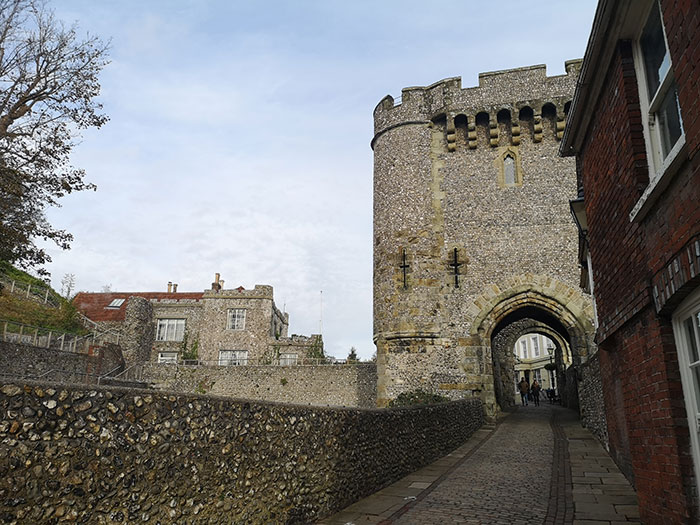
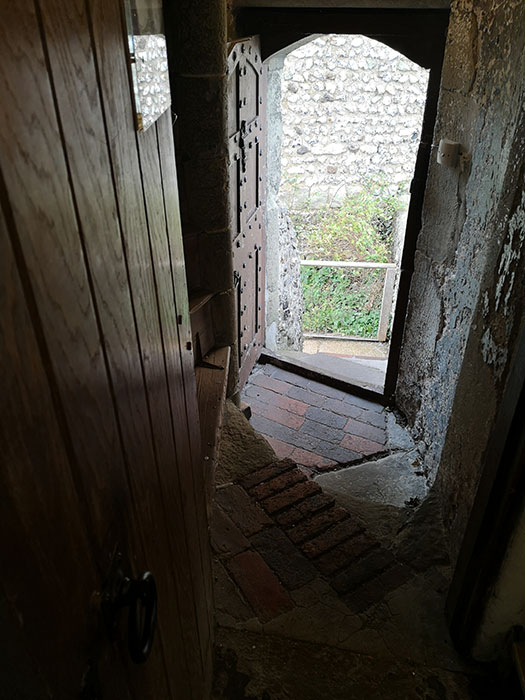
At the castle something unexpected happened. After we got our tickets, we were given the key to the castle. It sounds so much better than it was – a big plastic keyring with a plastic electronic thingy to open the lock. I think they missed a point there, as the big plastic keyring could have been cut in the shape of a key. I have a picture of the key, but is not cute at all, hence I’m not sharing it. Anyway, it was the first time when I got the key to a castle and that’s what I’m going to focus on.

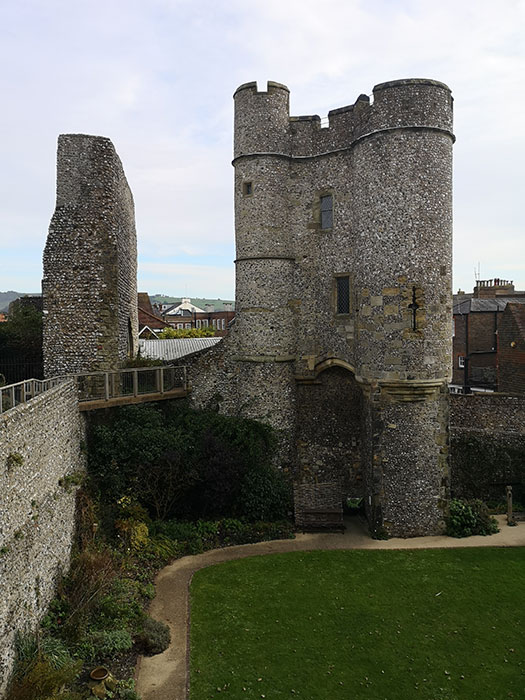
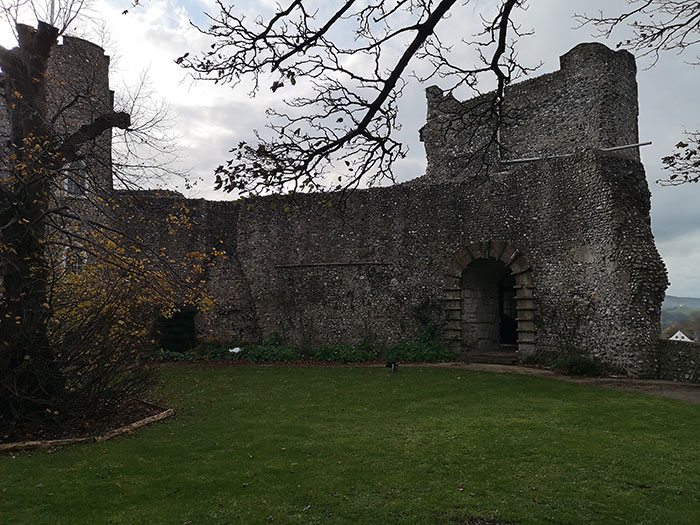
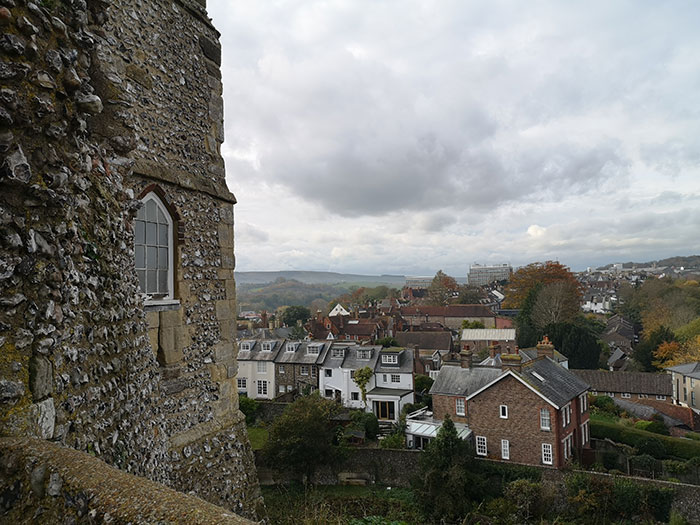
The castle is quite big and the views are breathtaking. It has a long history, starting in the 11th century.
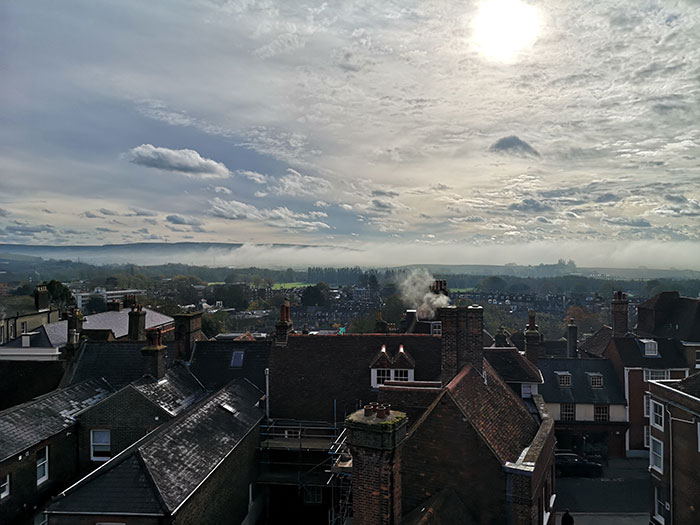
Lewes was a hot spot for protestants, and here is where the most protestants were burned during the Marian regime – 17, on the spot where now stands the Town Hall.
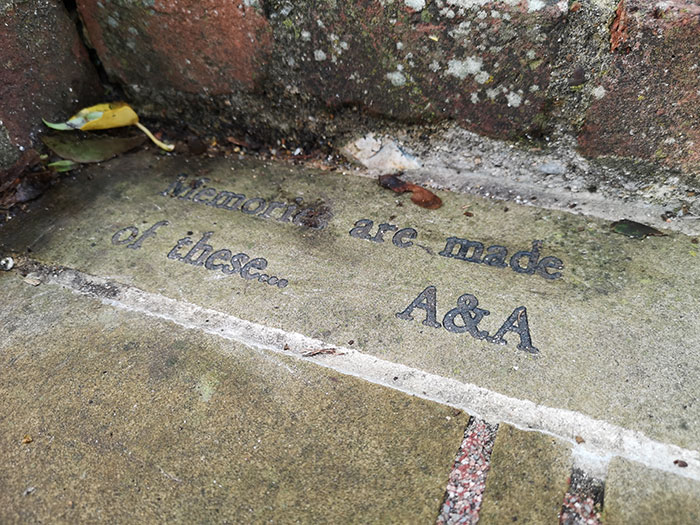
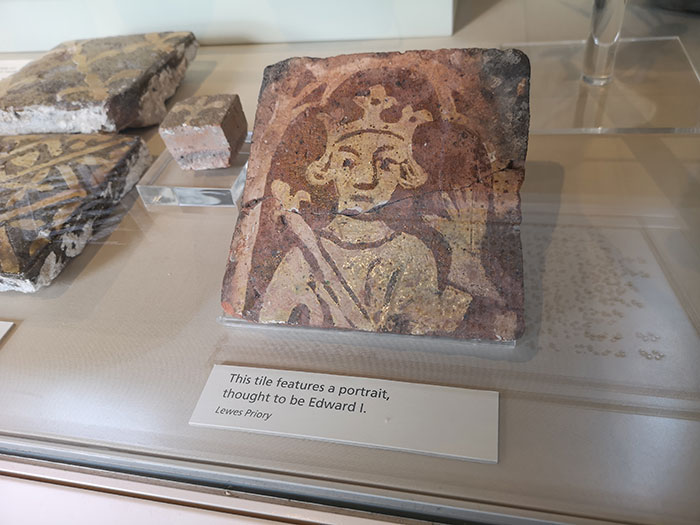
How amazing was to see this tile. My initial is, obviously, A, and so is my husband’s initial. This is one of the tiles paid for by people and societies, as donations. I think it is a great way to raise some funds for the keep of the castle.
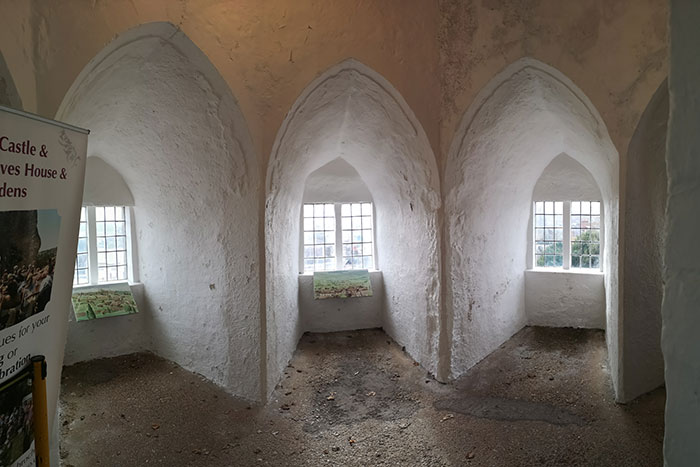
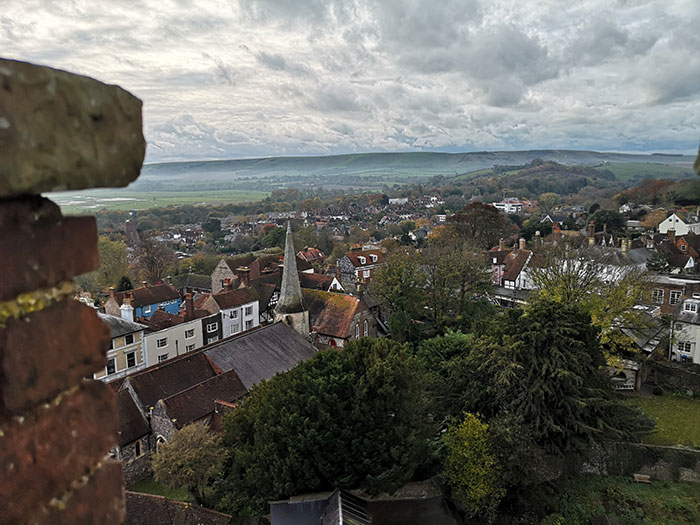
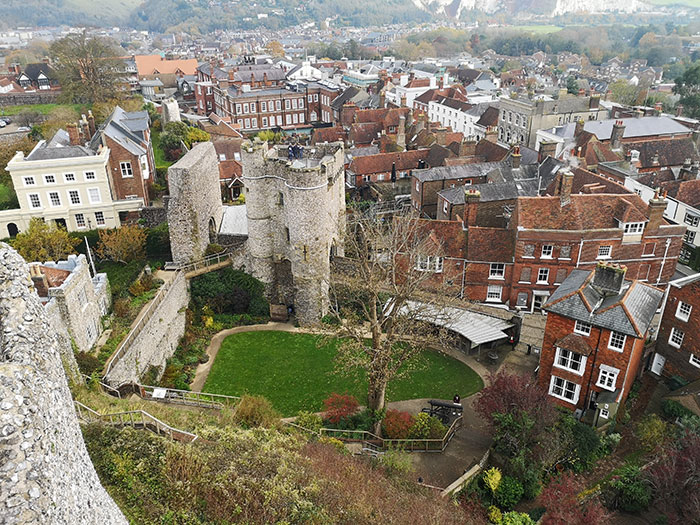
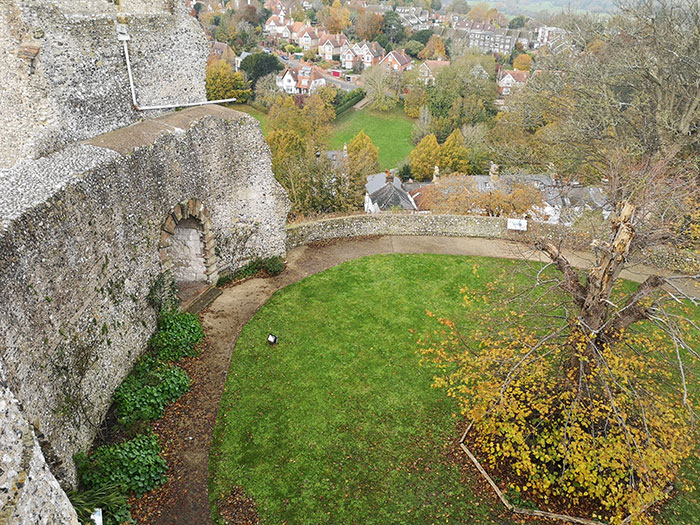
After the visit to the castle, we went into the Barbican House Museum. It is like a visitor centre for the castle, but there are a few more things on display.
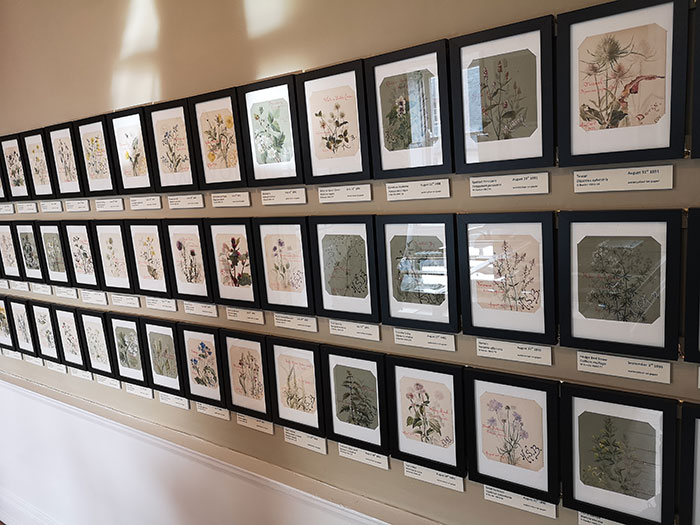
The flower drawings exhibition was lovely. All the drawings were from the 19th century, all beautiful.
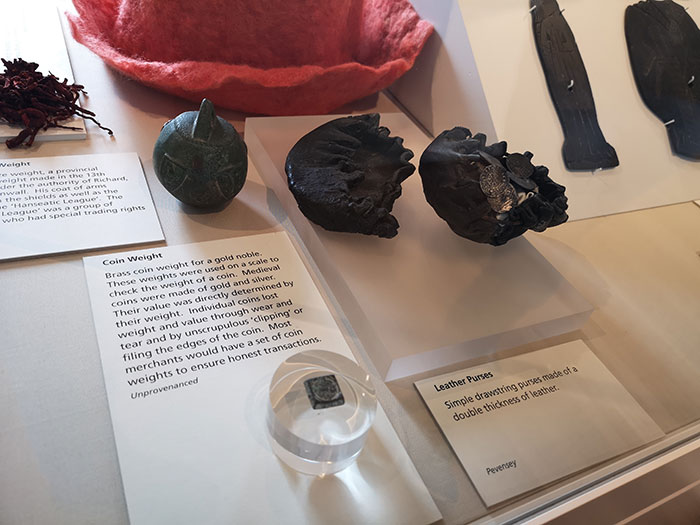
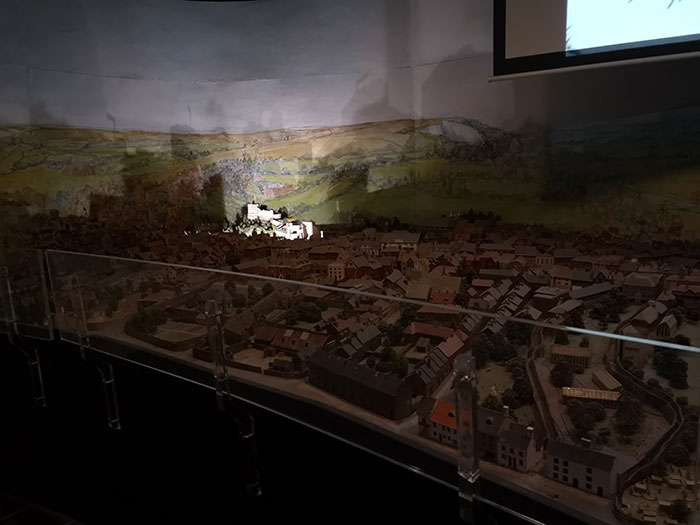
In the museum there was a clip of a few minutes telling the story of the town. Lights would lit up to show where specific locations were on the model town. It was really nicely made and very interesting. Some of the modern day festivities were a bit odd for me, but, well, if it is a part of the tradition, who can argue with that.
Lewes can be seen in a day, there are some old bookshops, a tearoom, a pub, some lovely old streets, the park, and these three tourist attractions. It is a must see if you are in Sussex.

How neat that your visit happened to coincide with reading the book in which it’s mentioned. I find the dissolution of the monasteries such a sad event… so much beautiful architecture and history lost in the process. Lovely photos here, all around.
I agree, so much history was lost, from buildings to books. It’s sad indeed.