
Aigues-Mortes is a small town in southern France. I have so many pictures from it and it was hard to narrow down. I made a couple of collages to reduce the number and there are still over 20 pics. The town is home to just over 8,000 people, which doubled in the last 50 years or so. The town dates back to the 13th century and it is a marvellous place to visit.
Aigues-Mortes means dead waters because of the marshes that are in that area. It was founded in 1246 by King Louis IX. To make it attractive to live there, the king allowed the people to store and use salt free of charge. Salt was very important before refrigeration, of course.
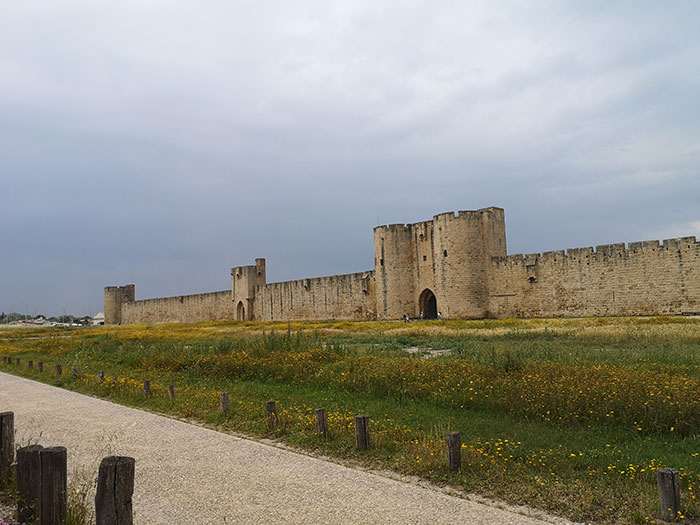
The ramparts are still encasing the town. There are 10 gates, 5 twin towers, 3 corner towers, 2 flanking towers, and a single tower. The towers are 18 metres high and the walls 11 metres high. The thickness ranges from 2 to 3 metres.
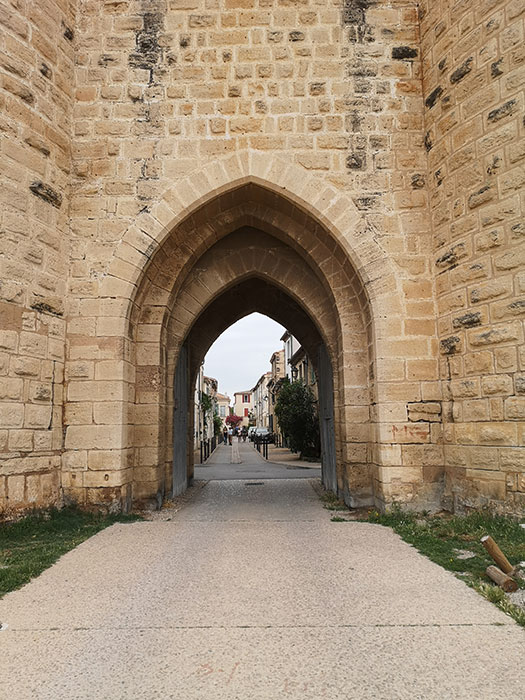
This is one of the gates to the town. Below is another one, which is close to the bus station and train station.
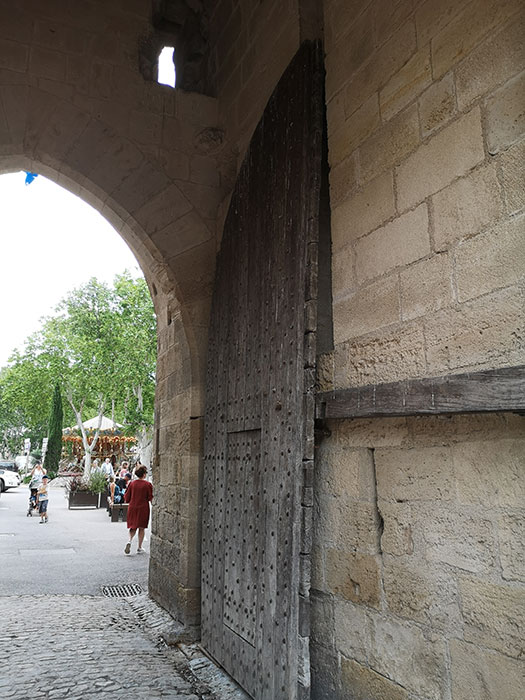
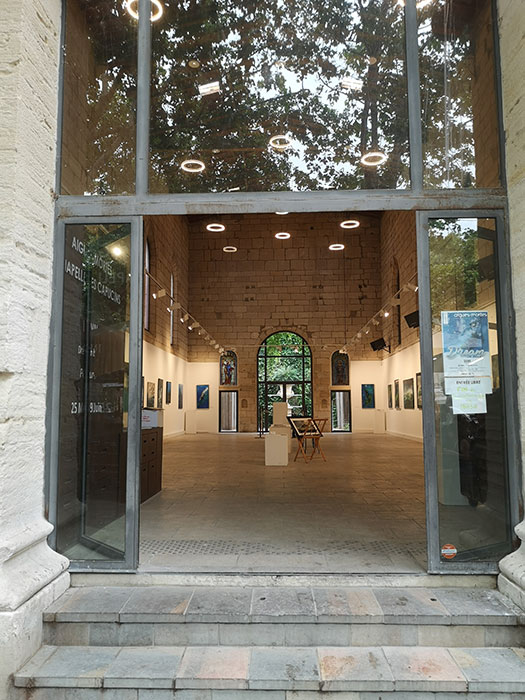
This is an art gallery, in a square where the statue below is at its heart. There are shops and restaurants around it.
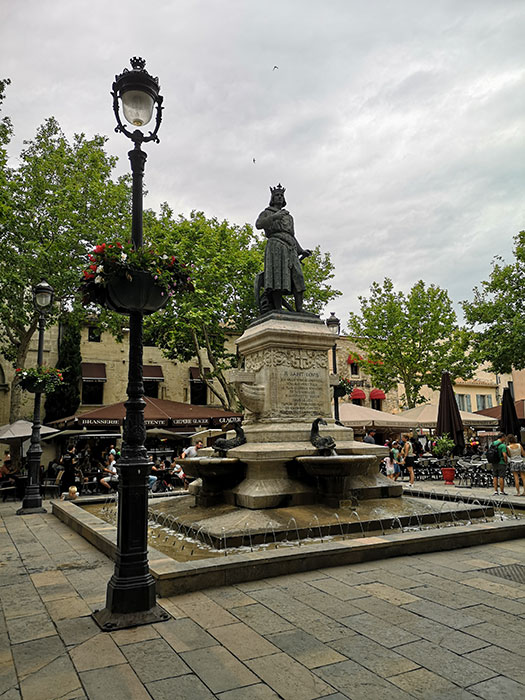
Statue of Saint-Louis, depicting Louis IX of France, who reigned from 1226 until 1270. He was born in 1214 and his mother, Blanche of Castile, ruled as regent until he came of age. She remained his adviser until her death.
This statue of Louis IX was erected in 1849.
Louis IX left in the 7th crusade from Aigues-Mortes in 1248. While 20 years later, in 1268, this port was used by Edward, future Edward I, King of England. A fan of crusades, Louis IX left from Aigues-Mortes once again for the 8th crusade. The religious issues did not dissipate, but changed to going after Huguenots. Some were imprisoned in Aigues-Mortes.
In 1893 there was a massacre of Italians due to xenophobia. A conflict arose between French and Italian workers at the salt farms, resulting in 10 Italians being killed and another 15 injured. It might not sound as great numbers but there were a few thousand people at that time.
On a more cheerful note, there were some well-known people who lived in Aigues-Mortes for a bit or visited the area:
Alexandre Dumas mentions Aigues-Mortes in his Journey to the Center of the Earth (1841).
Thomas Edward Lawrence or Lawrence of Arabia visits Aigues-Mortes in 1908 while he was writing on the architecture of the 13th century.
Ernest Hemingway visits Aigues-Mortes and mentions it in his Garden of Eden.
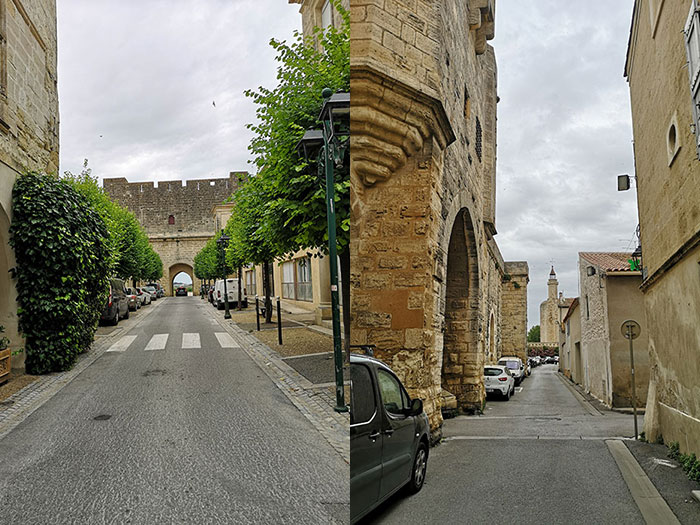
The roads in the town are perpendicular. It is lovely just to walk around the town and to admire these medieval buildings.
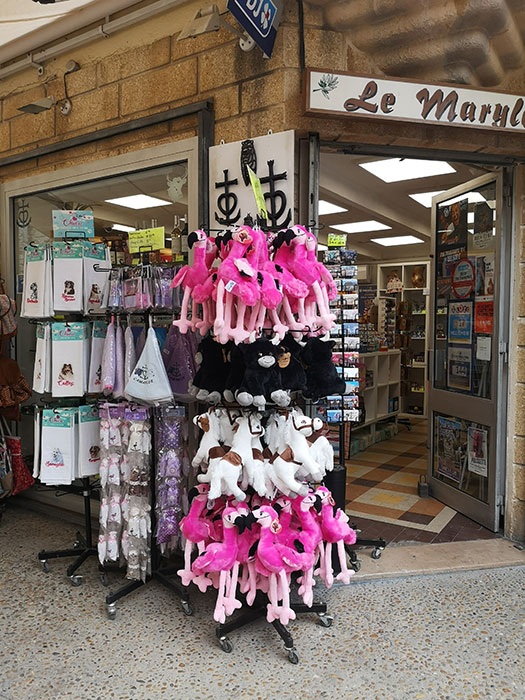
There are all sort of shops, including this one which offers plushes with the most iconic animals in the area: white horses, flamingos, and bulls. There are 14,500 white Camarguais horses. Fun fact: they are born brown and their colour changes to white as they mature. Despite their small size they are suitable for horseback riding as they are working horses.
Pink flamingos, which turn pink if they eat the algae that makes their feather to change colour, are in huge numbers in the area, over 50,000 birds.
As for black bulls, there are over 20,000 of them in the Camargue. Similar to the horses, they too are raised in semi-feral conditions. The bulls are primarily used for a type of blood-less bullfighting typical to this area, where the matador attempts to remove a small rosette from the forehead of the bull instead of killing the animal.
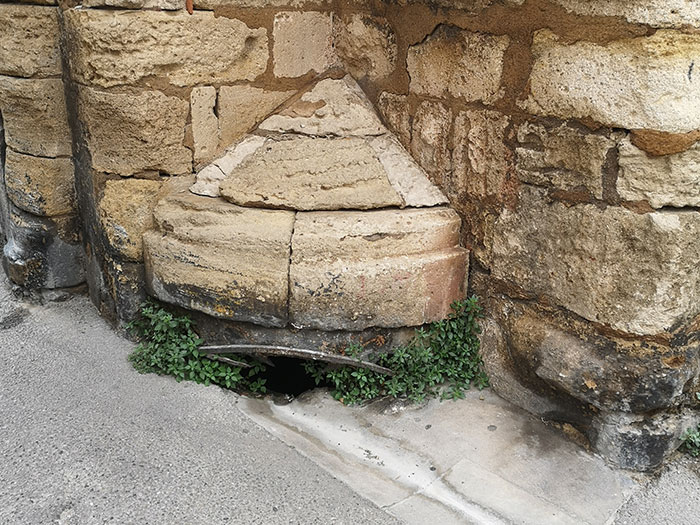
This is a drainage system. How cool is that. I love how it was incorporated and it’s barely noticeable.
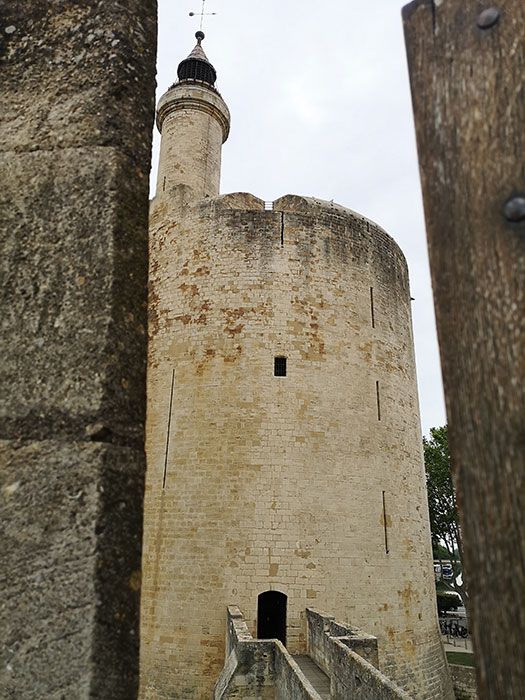
The rampant walls and towers can be visited, with a ticket. It’s no doubt that it is worth visiting. This is Tower of Constance, built under Louis IX in 1242, on the former site of the Matafère Tower which was built by Charlemagne around 790.
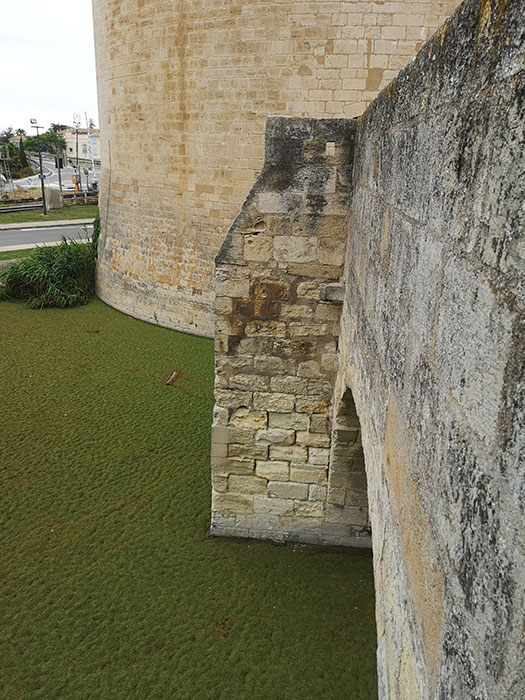
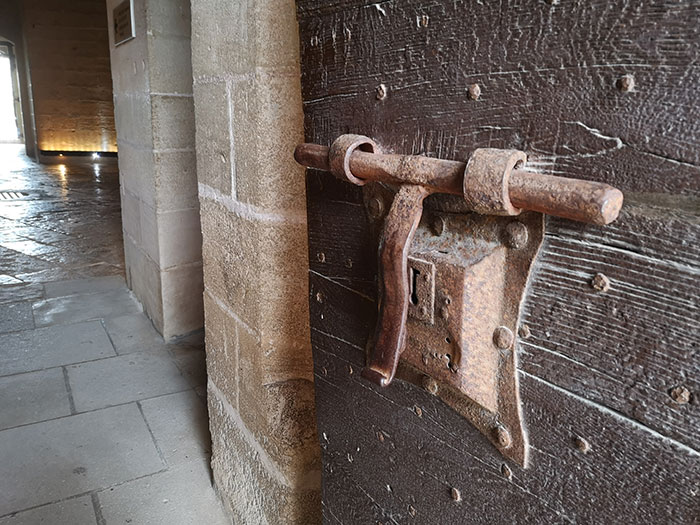
Tower of Constance can be visited and from its top there is a beautiful view of the city.
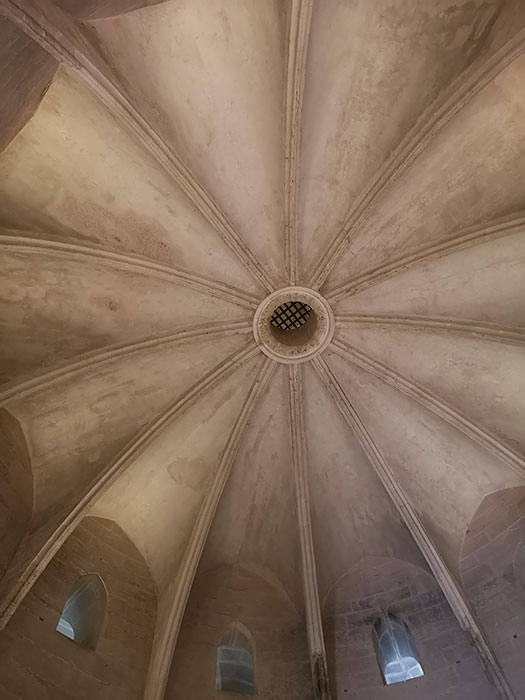
The ceiling looks lovely.
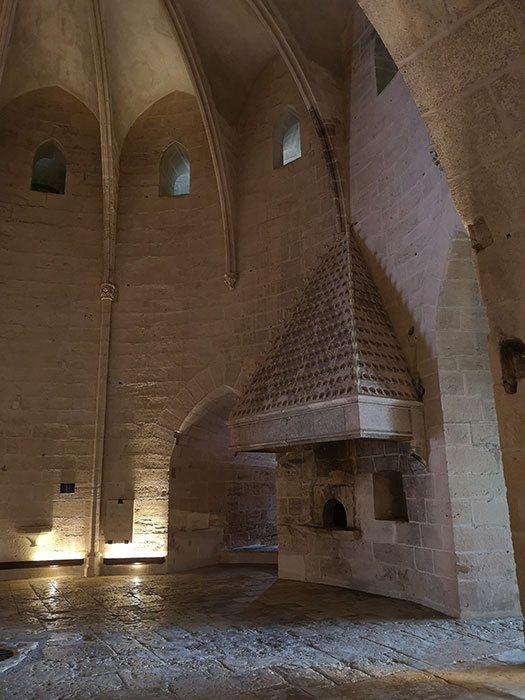
The fireplace is beautiful. Above the fireplace some windows can be seen. There is a hallway and visitors can see this chamber from there. It’s really lovely.
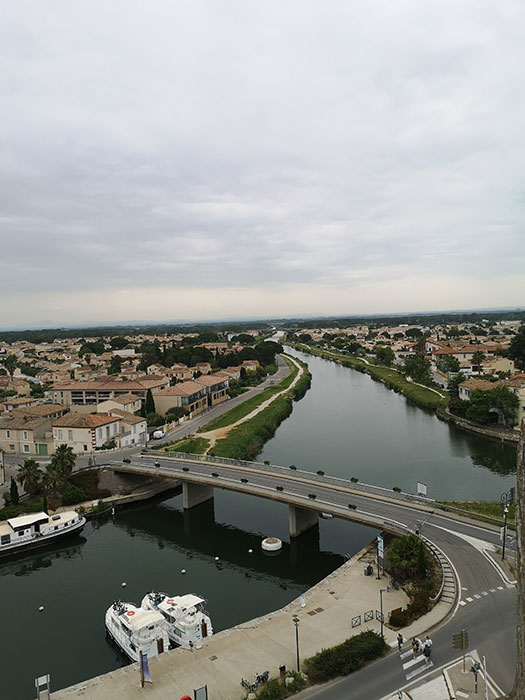
View of the town besides the enclosed part.
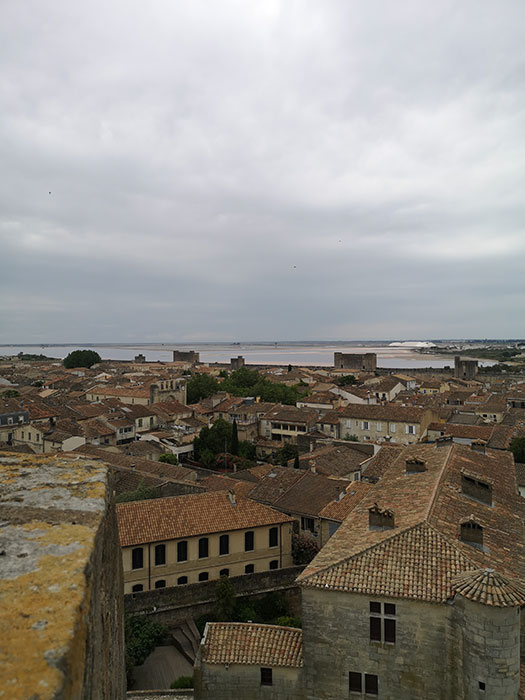
The town of Aigues-Mortes with the salt farm in the background.
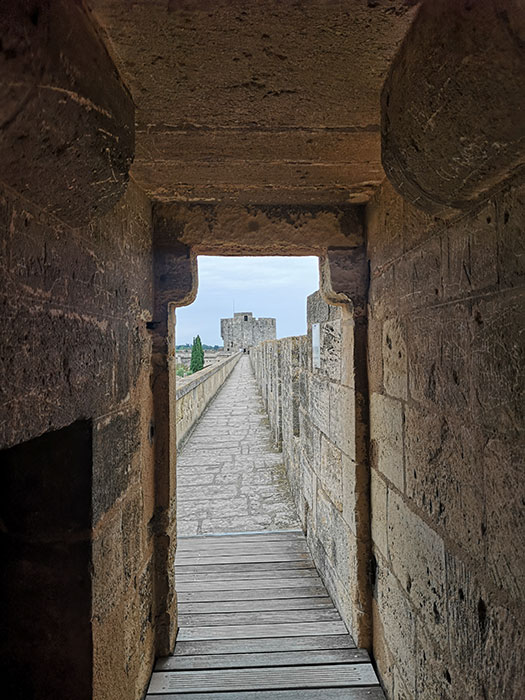
Some of the towers can be visited too.
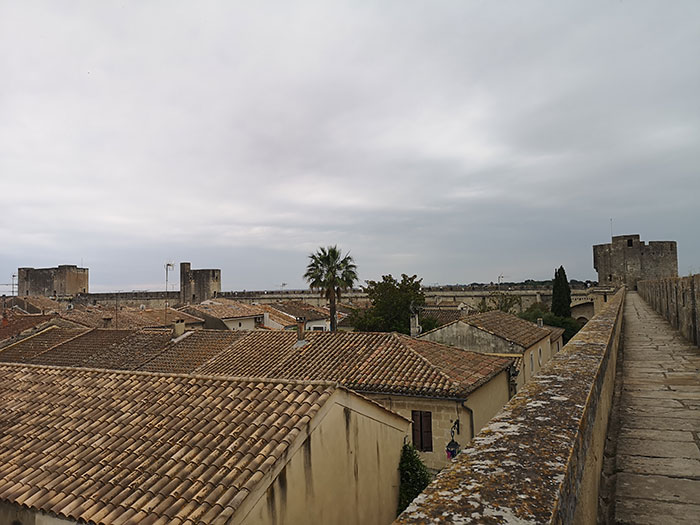
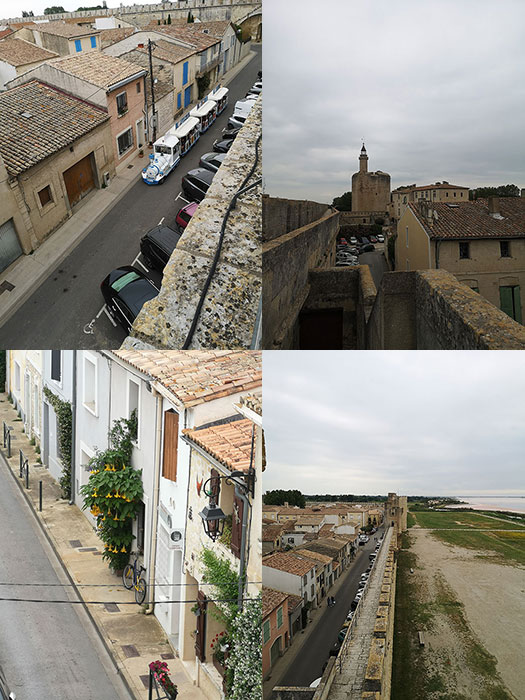
I enjoyed walking on the rampants very much. I also took a petit train ride and that is really nice.
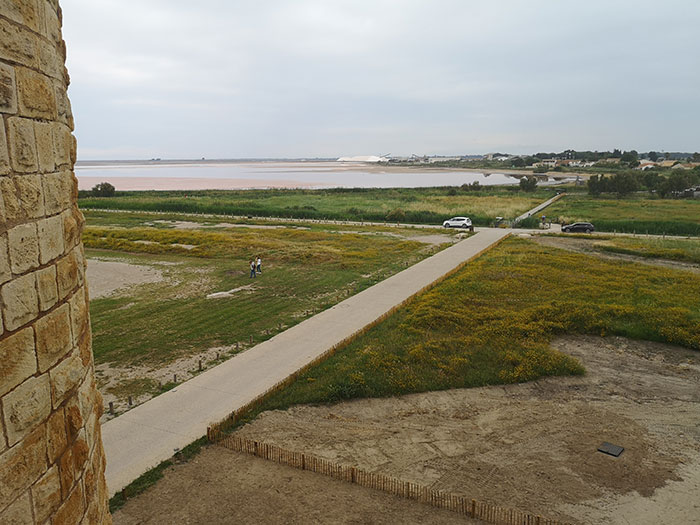
There is a saline, which I didn’t manage to visit, but it is one of the biggest in Europe. There, are produced over 450,000 tones of salt each year. In this picture, in the background is a white “hill”, that is extracted salt. This hill is called camelles. This salt farm covers an area almost equal to Paris – 18km long and 13km wide.
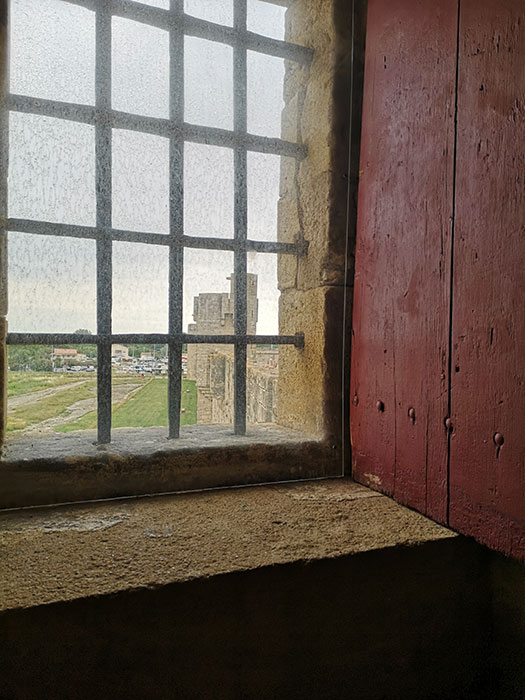
Each tower has a specific role – to store salt or gunpowder, just as in any other medieval city.
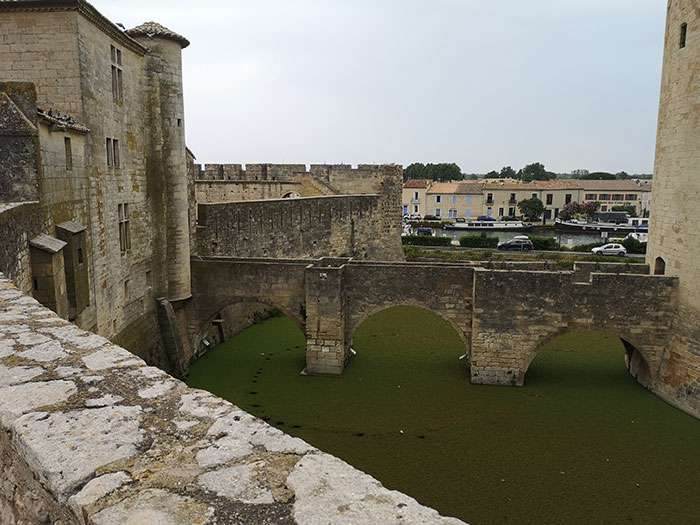
A fun fact about this moat – it was filled in the 18th century!
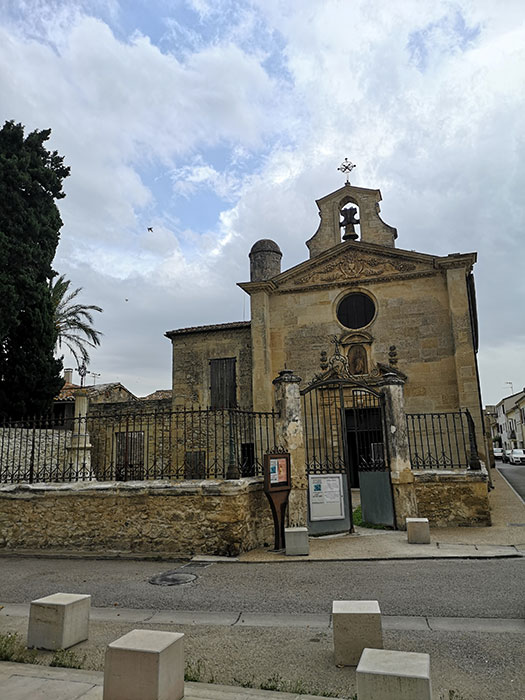
This is one of the churches in the town, Chapelle des Pénitents Gris, founded in 1350. It’s not the oldest in the town though. Notre-Dame des Sablons Church is the oldest but it was closed when we visited.
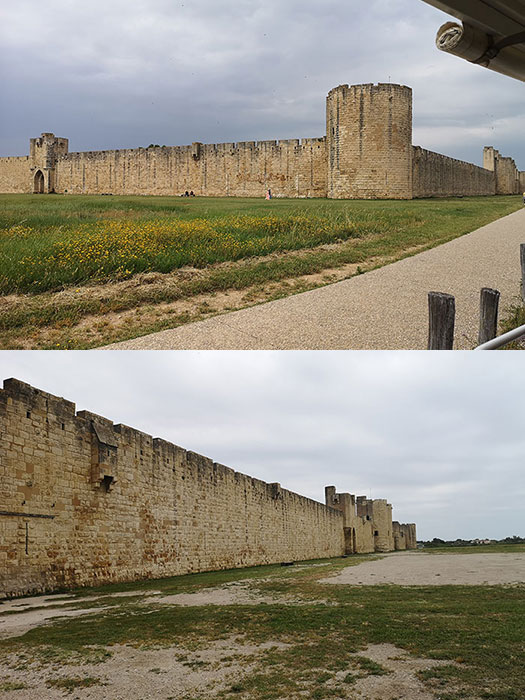
The walls of Aigues-Mortes. I loved this place.




I love seeing all these photos. I also love plush animals, so would definitely have to get one as a souvenir if I visited. 😊 I knew that eating shrimp made flamingoes pink, but I didn’t know about the horses that change color. I’m glad to hear the bulls don’t have to lose their lives in “competition”. A bull might be the stuffed animal I’d choose.
I read that these flamingos are pink due to seaweed, but it might be wrong. I don’t know.
The horses changing colours is something I haven’t knew about either. I saw white horses and they are pretty small, but sturdy. They seemed very happy.
It might just depend on where the flamingoes live. I looked it up and American birds are darker in color. Their color does come from what they eat, which includes algae and shrimp. And it said the shrimp they eat get their color from eating the algae, too! So we’re both correct. 🙂
That’s fascinating.
The waters where the flamingos are living are red due to the algae, so I find it strange that the American birds are darker. I didn’t have time and how to get to the salt farm tour, but I would like to go back there and see it. Here is a link – https://www.avignon-et-provence.com/en/natural-sites/saltworks-aigues-mortes-camargue. The waters are as red as they look in the pictures on the site. It’s so unusual. I saw the water from the taxi and bus.
That’s definitely red water! (and quite bizarre to see) I was getting my flamingo info from Wikipedia which, of course, is just a beginning point for research. Perhaps we should take that information with a grain of salt. (pun intended)
I always think France looks after its heritage really well. Lovely to see so much old so well cared for – the ceiling is quite spectacular, really stunning.
With some exceptions I agree, they are good at caring for their history and presenting it in an engaging way as well.