
I visited the Jam Factory just before leaving Lviv, last month. I was with a friend and it was lovely. We spent a lot of time looking at the special exhibition and didn’t go up to see the historical exhibition, as I already saw that before and it was rather late.
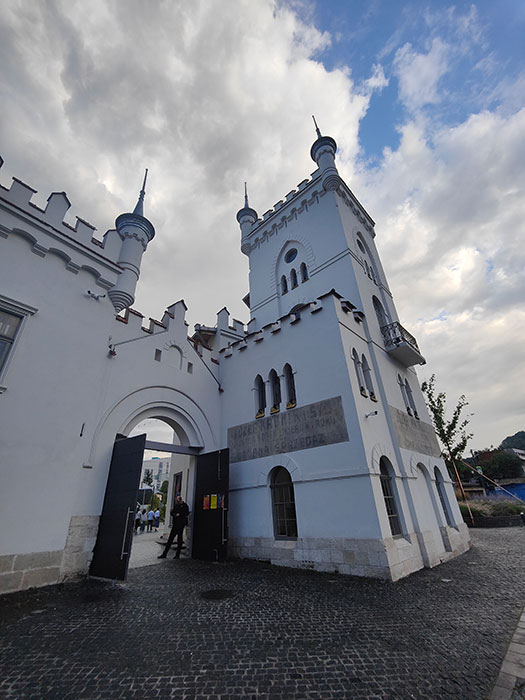
The complex has 2 exhibition spaces, a café, and a cocktail bar. There is also a free library with interesting books to read and some comfortable sofas for reading.
My friend and I saw half of the exhibition, then went for lunch at the café, and finished the exhibition afterwards.
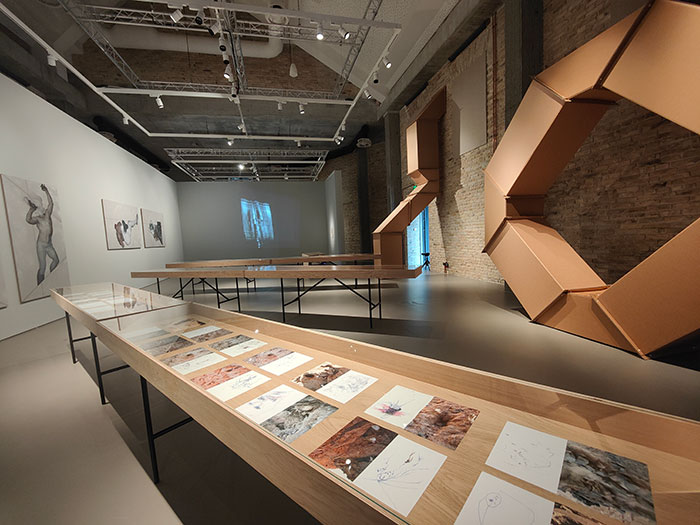
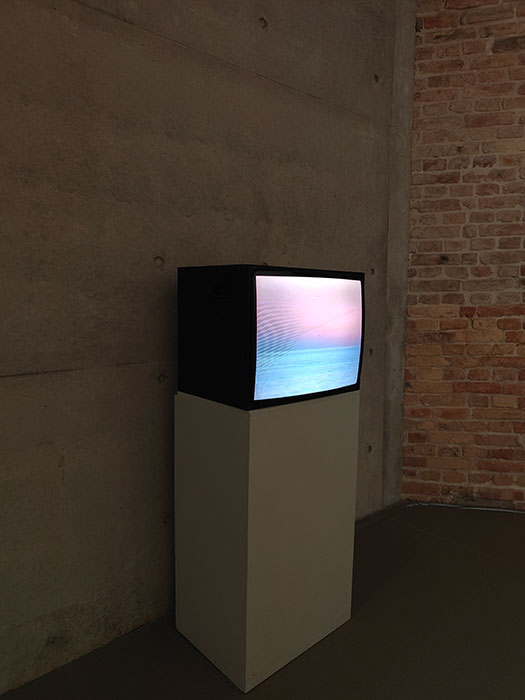
I found this recording fascinating. It is attributed to Operator #17, a Lebanese Army intelligence officer. The officer was assigned to monitor a seaside boardwalk in Beirut. They decided to videotape the sunset instead of their assigned target. After getting fired, the officer was allowed to keep the videotape.
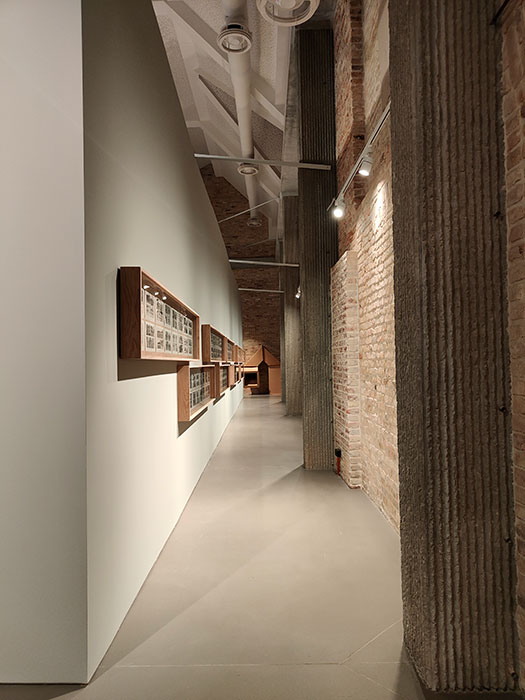
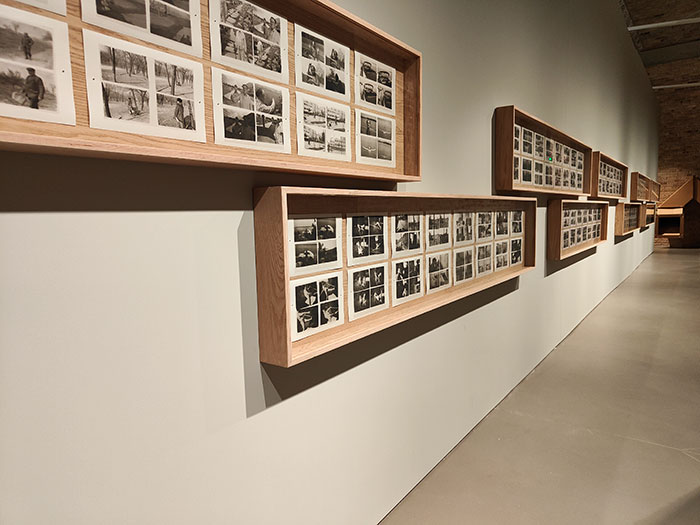
This long corridor had on display a series of four photos. These were taken in Kharkiv, in 1982 and 1983. All the photos are black and white and offer an interesting view of the city and how it was lived in.
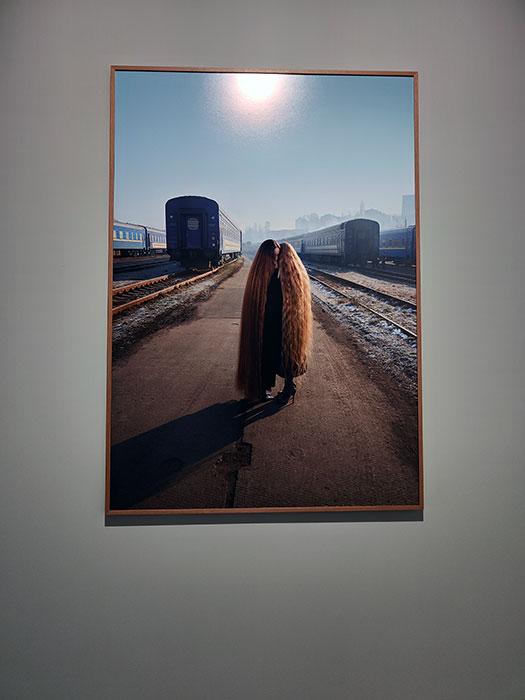
New photos, taken in trains or railway stations, were a part of a modern day view of the war. This beautiful picture was a teaser, with many more photos being included in a gallery in the second part of the museum.
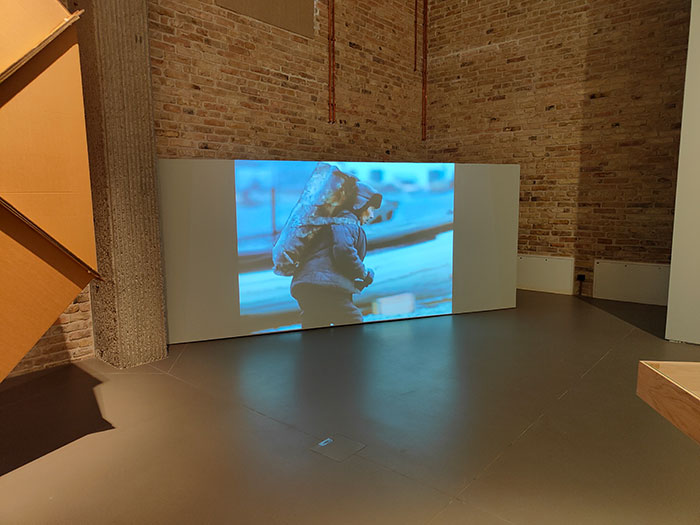
Where russia Ends is a film essay that examines the often overlooked history of colonialism and environmental destruction in the russian-occupied territories of the indigenous peoples of Siberia. Footage was discovered at the Kyiv Science Film Studios in 2022. The film documented numerous expeditions that a group of Ukrainian filmmakers undertook in the 1980s to various parts of Siberia and the far north.
It is a short film, of 25 minutes, and I watched all of it because it was so interesting. I think a few chairs in front of the projection would have been a good idea.
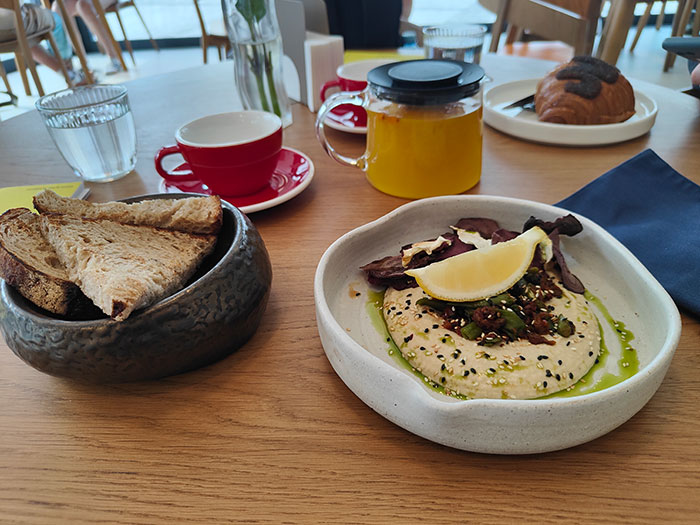
The lunch was really good. We shared a pot of tea which was lovely, especially on a rainy day.
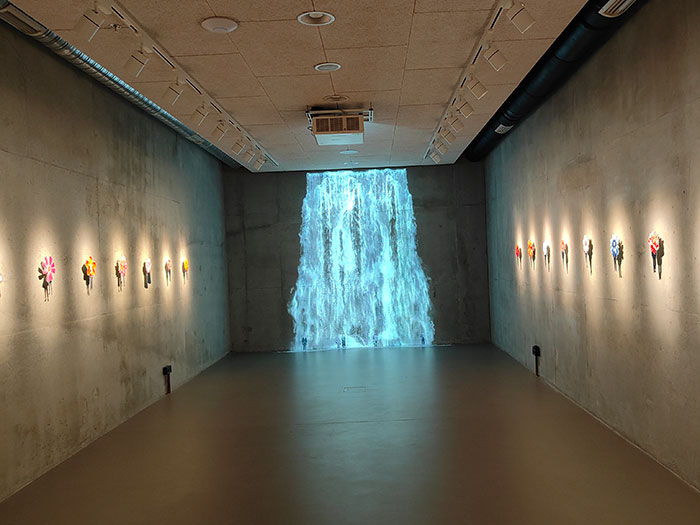
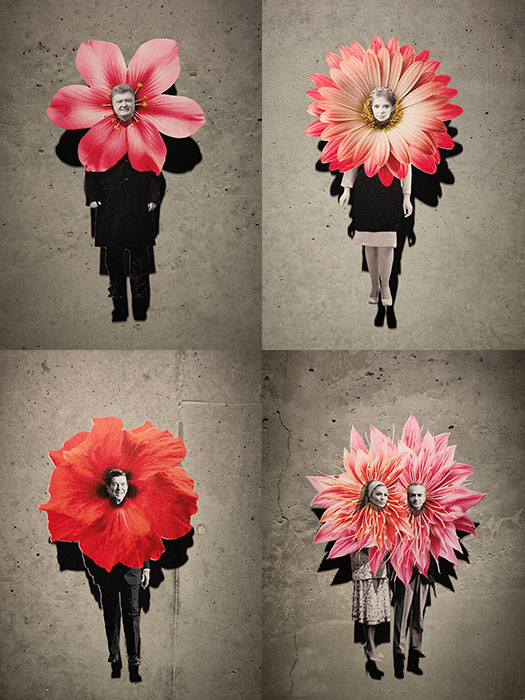
While these look like modern art, the story of these flowers is very interesting. An intelligence officer in the Lebanese Army, Fadwa Hassoun, made these collages. During the 1970s and 1980s the Lebanese Intelligence division gave code names to all both local and international leaders. Hassoun received the task of assigning the code names and as she studied botany at the university, she used flowers. As a way of remembering the right code names, she made the collages displayed here.
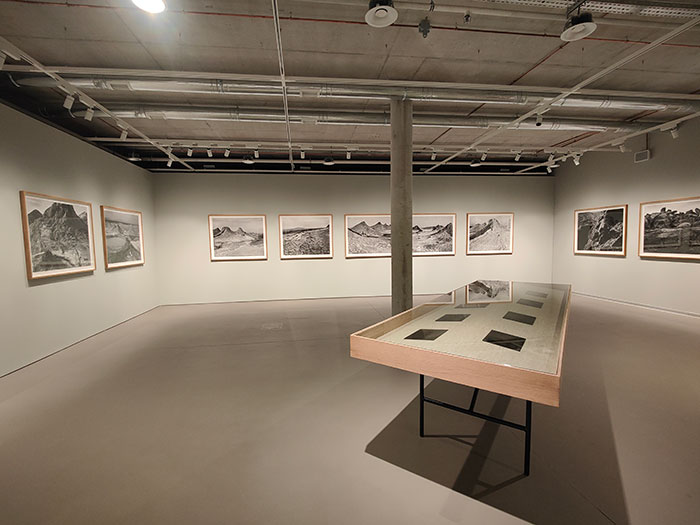
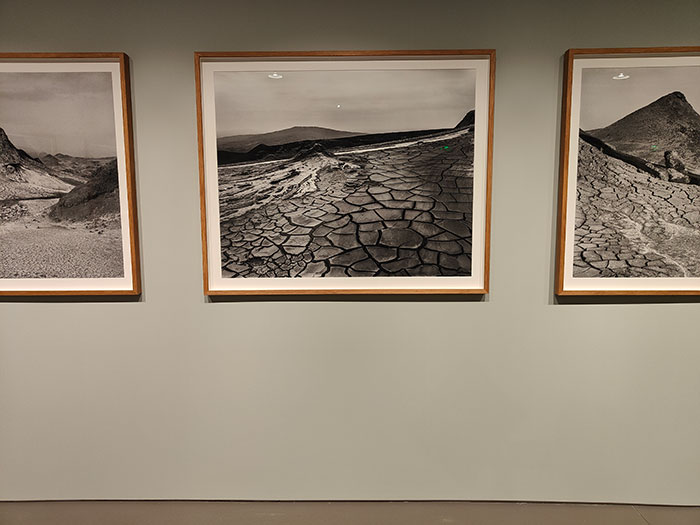
Another room had pictures from Azerbaijan, beautiful landscapes of oil rich regions.
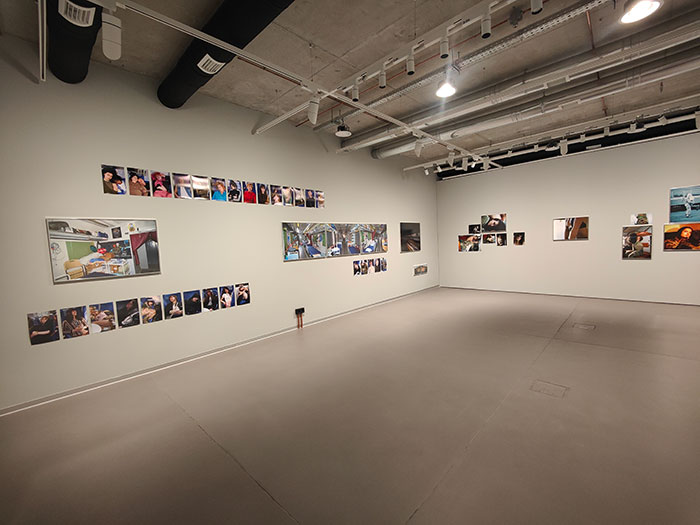
The main part of the exhibition Ukrzaliznytsia, the Ukrainian railways. I picked a few highlights from that. Many were beautiful and worth sharing, but the space was limited.
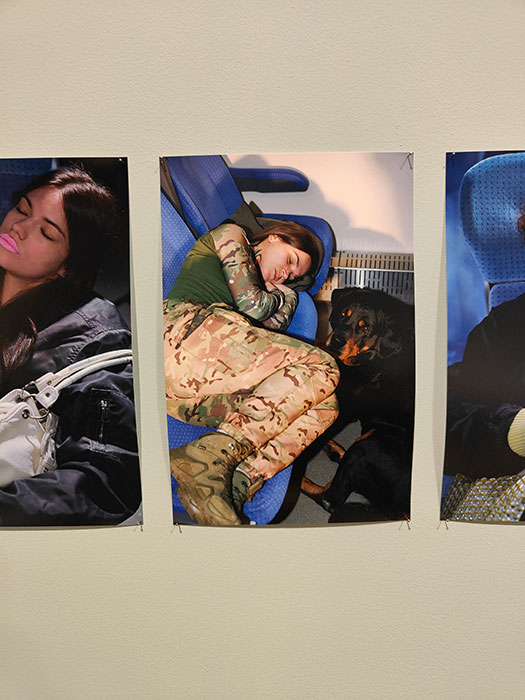
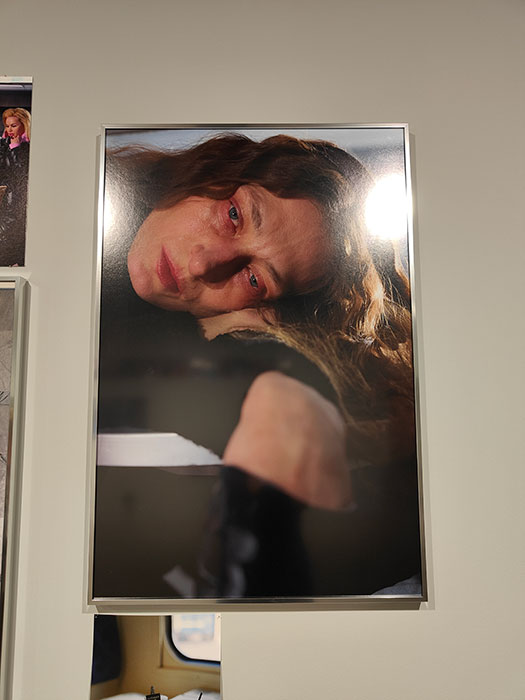
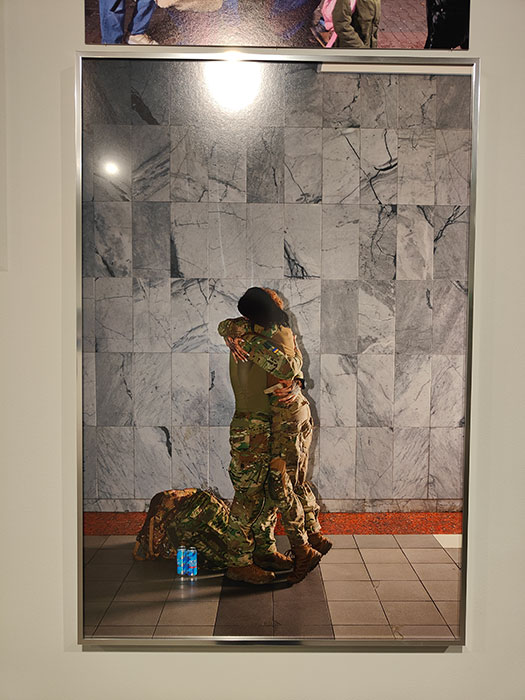
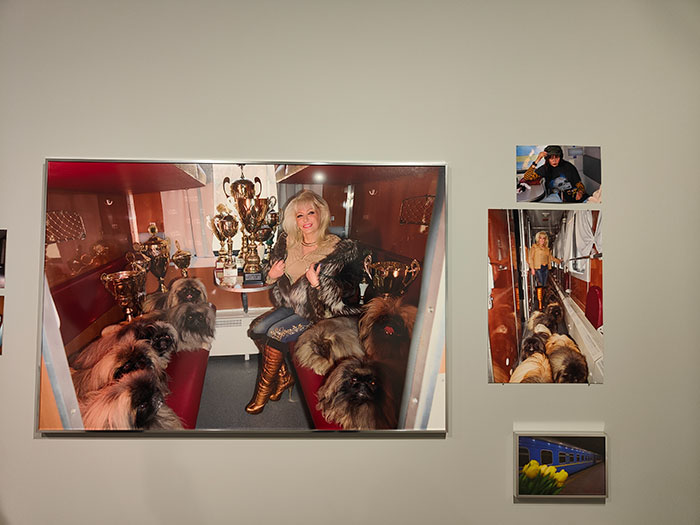
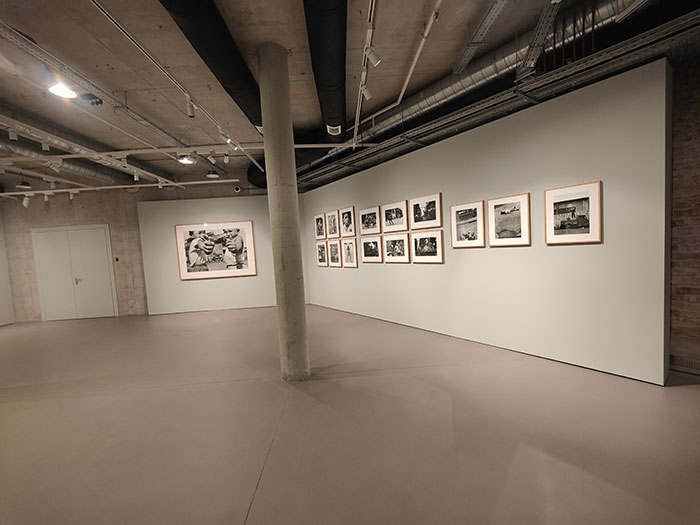
This was the last room in the special exhibition.
We both enjoyed the visit very much. It was bigger than expected, so we’ve spent quite a long time there, about 3-4 hours, including lunch. With a visit to the historical exhibition and maybe a drink in the bar, I would suggest allowing for at least 5 hours. The exhibition was so interesting that it would have been a shame to rush through.



Such interesting pictures and photos. The photograph of the long haired girls embracing is really striking!
This looks like a fascinating place. That photo of the girls with the long hair is interesting! I remember the photo with the Rottweiler from your Instagram. I think the flowers as code names (along with the artwork) is very clever! At the WWII museum in NOLA they have low benches in front of the longer videos so people didn’t have to stand that long.
Kelly recently posted…Pear delights
For me that picture with the rottie was one of the most emotional to see. I have a soft spot for dogs in military units. If I could, I would adopt one or two, but it’s not possible.