
Museum of Communism in Bucharest or, in Romanian, Undeva in comunism [Somewhere in communism] is a must visit museum. I followed them on social media and I knew I wanted to visit the museum in our short trip to Romania. It takes an hour and a half to visit and it is so worth it. Its location is great too, in the Old Town, where a lot of restaurants are. We had our hotel room only a few minutes away from them.
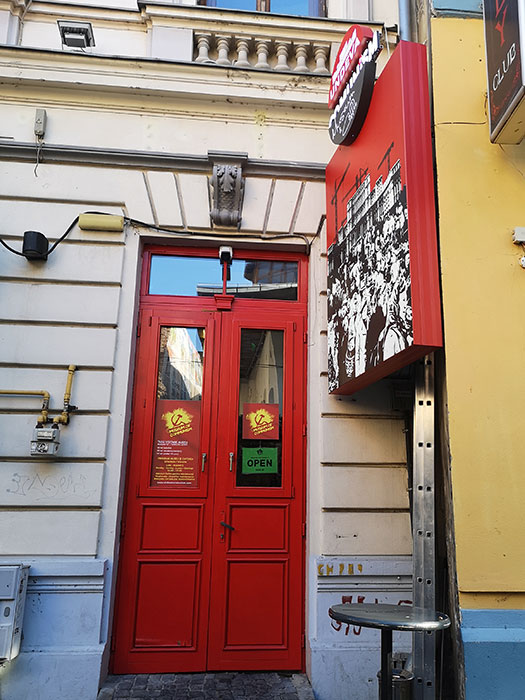
The museum has a small cafe at the entrance. The display boards are in 3 languages: Romanian, English, and Spanish. The museum guides are speaking fluent English as well. As we left there was a tour in Spanish and it made sense why the 3rd language is Spanish as we did see a lot of Spaniards in Bucharest.
For anyone wanting to visit Romania, there are no issues with English, I heard it spoken everywhere, including by a ticket controller on a bus. I was happy to see that, as it wasn’t the case 20 years ago.
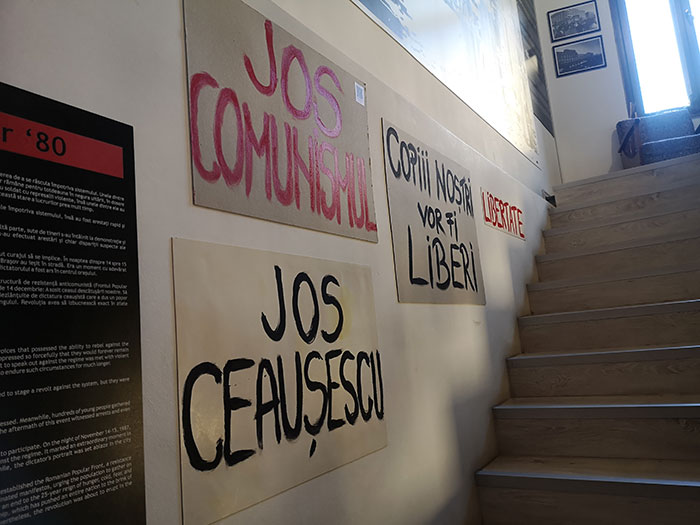
The visit starts even before climbing the first stair. There are display boards with details on how the communists took over after WW2. On the second flight of stairs were displayed the messages from the revolution, such as “Copiii noștri vor fi liberi” meaning Our children will be free. Another message is Down with communism.
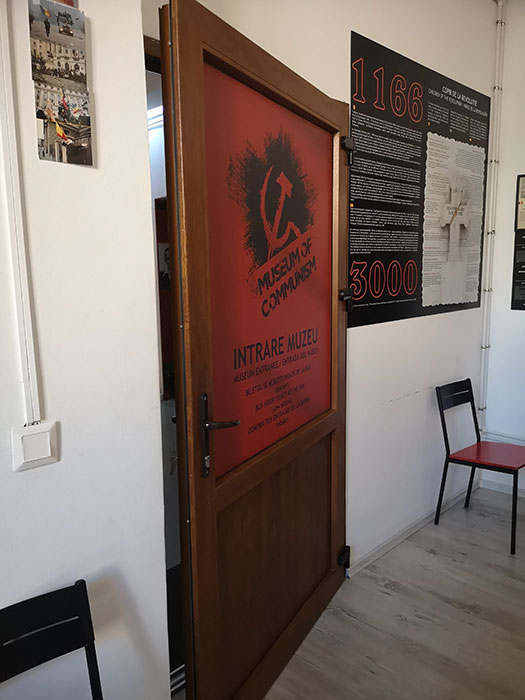
This is the entrance to the main part of the museum, where a guide waited for us and told us what to look for and what we can touch, which is most of the display.

The chair from the Pitești Experiment is a replica. The details on torture by the communists is on display. You can read about it here. This experiment was using inmates as torturers. It is a bit of Orwell’s 1984 in the whole thing. Do read the article.
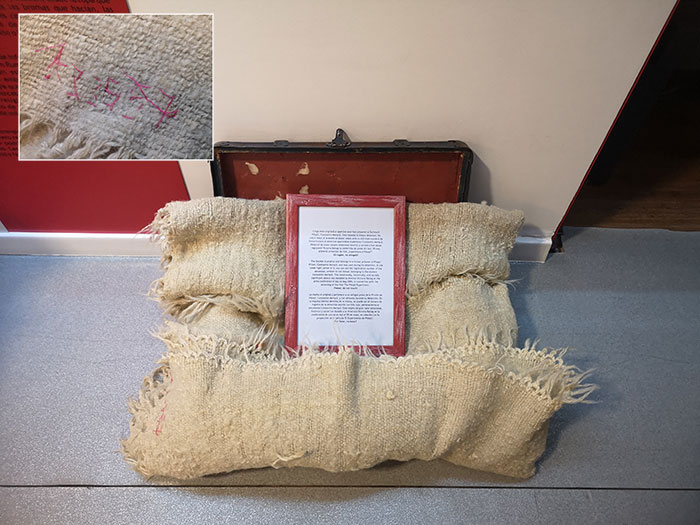
This is a blanket used in Pitești. It has the number of the person who owned it.
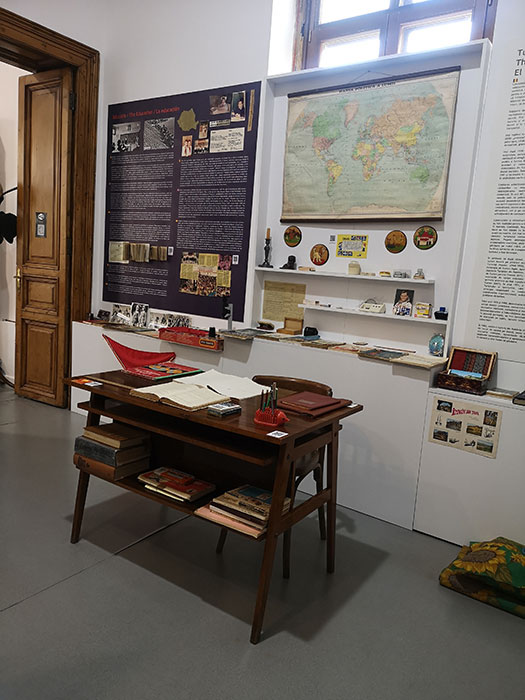
Desk with things that children had in the 1980s. I like that people can touch and handle the items. For young people, who were not born before 1989, this can highlight how poor everything was in communism.
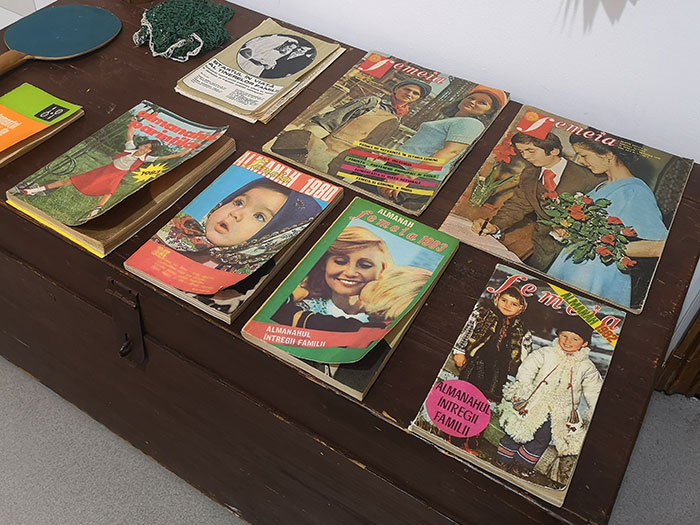
The magazines show the so-called communist equality. Men were more equal than women and this is why the Femeia [Woman] magazine has a picture with her getting married and having children. Abortion was prohibited by law in 1966, as the party needed more workers. This meant women would induce abortions on their own or seek help from anyone who could help them. Many died as a result of this law. Another thing that created was a growing number of children left in care. There were no contraceptive methods, so women had very limited choices. The children in care were abused, as it was seen after the fall of the communism. Read this article on their website for more details.

Room of party leaders, with the revolutionary flag on the wall. It had all the best things people could enjoy in communism and I’m not even joking. There was also a TV, with a 2-hour programme which was only propaganda.
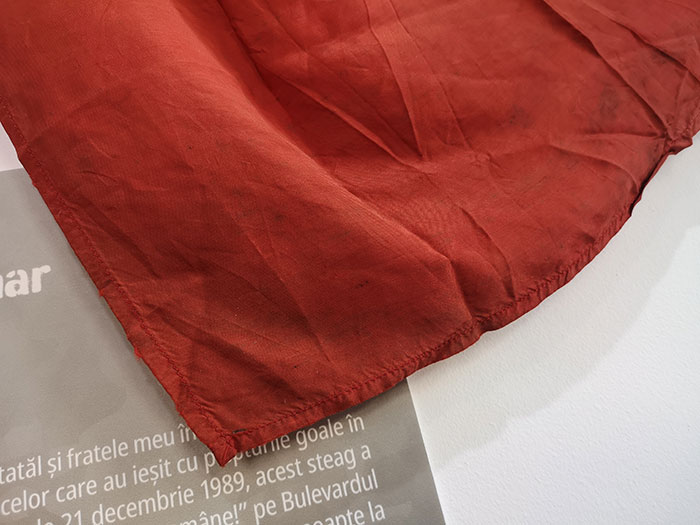
This is the blood of a hero on a flag from 1989.
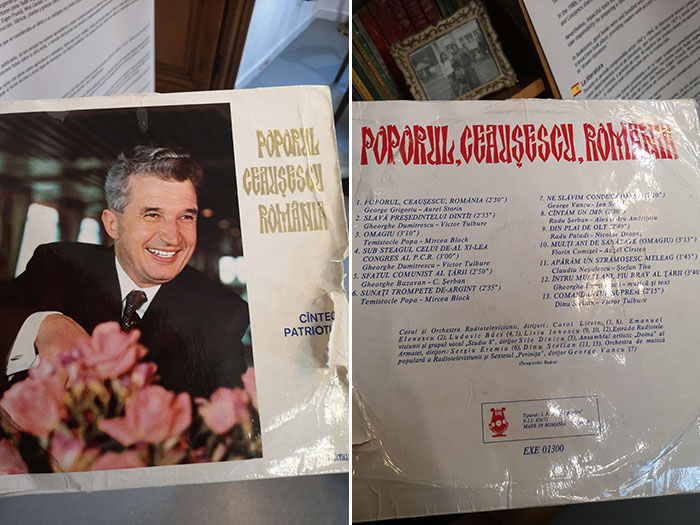
“Patriotic” music with Ceaușescu’s face on it. All dictatorships put an equal sign between the supreme leader and the country. The songs are nauseating, starting with the first one which can be translated as: The people, Ceaușescu, Romania! Yes, it was a song that sounds very much like Ein Volk, Ein Reich, Ein Führer! That’s horseshoe theory in action.
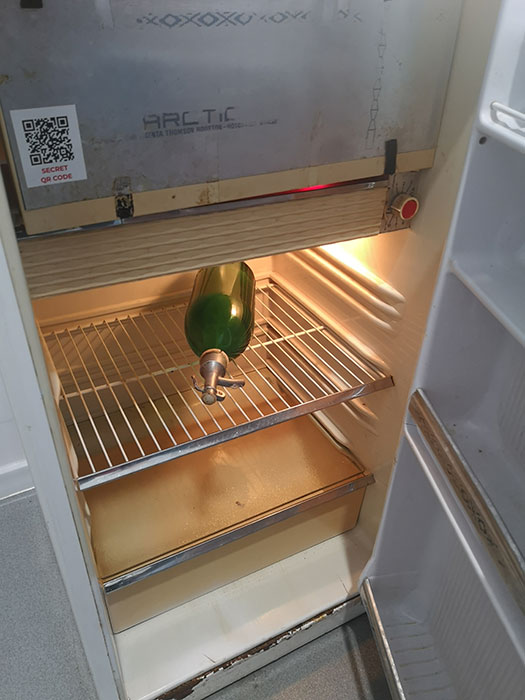
Fridge with a very accurate representation of the type of foods available to buy from the shops. People would either get food from their relatives who lived in the countryside and were producing it. A type of medieval self-subsistence lifestyle. In the countryside people would even grow a limited amount of corn as livestock feed for their 1-2 cows.
The ones without relatives in the countryside, as my immediate family, would buy from the black market. It was risky and it needed connections. Networking under communism has a different flavour than the one under capitalism and freedom.
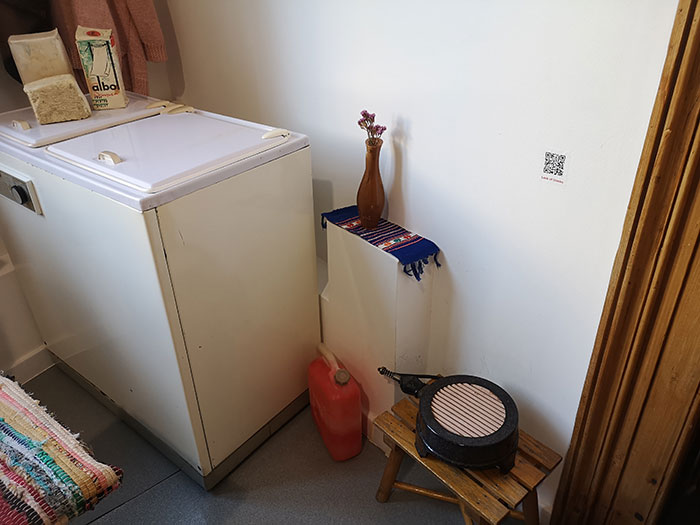
Washing machine was not something that a lot of people had. Check the “wonderful” soap for clothes. The heater was also used for cooking. This is the kind of “cooker” students had. It was still used for a couple of decades after the fall of the communism.
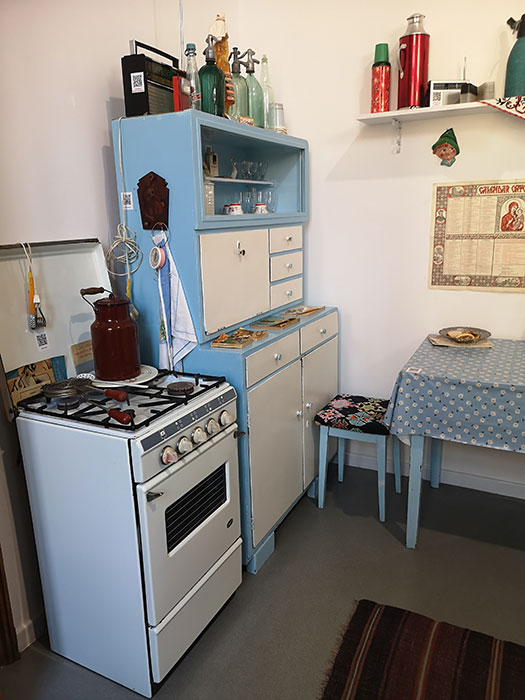
Kitchen of regular people with a heater for water placed on the lid of the stove. The decor is spot on too.
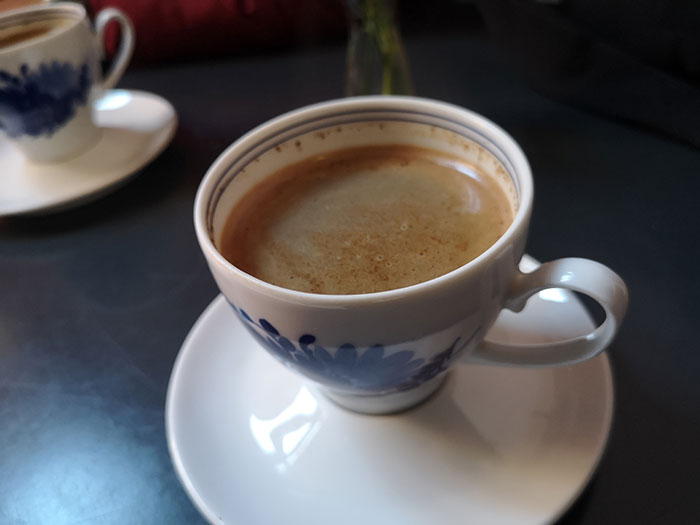
Nechezol or communist coffee. I have to say it was not that bad. As in the 1980s there was no coffee in shops because of the limitations on imports, an alternative was made – nechezol. It has only 20% coffee and the rest is a mix of barley and oats. This is how it got its name, a play on the word neigh of horses, as it was made from horse fodder, with the addition of the chemical suffix -ol as a reference to the “world-renowned scientist” Elena Ceaușescu, who fancied herself a chemist. The pseudoscientific name is a good example of Romanian humour.


This looks and sounds, from your description, like a very powerful museum. I
Life under communism sounds extremely oppressive and restricted. I would definitely visit.
This would be fascinating for everyone but for one with memories like you, an entirely different kind of feeling with the walk through. I enjoyed seeing it all but I especially loved the kitchen and washing areas. I’m always intrigued by the home.
What an interesting post! I read the article about the torture and it’s horrific. I have a feeling I would not take long to break. I can’t imagine having to go through something like that.
Thanks for sharing this.
Kelly recently posted…2025 extras #1 📚
The creativity humans have to make others suffer is truly remarkable. The museum does a good job at raising awareness without freaking out their visitors.