
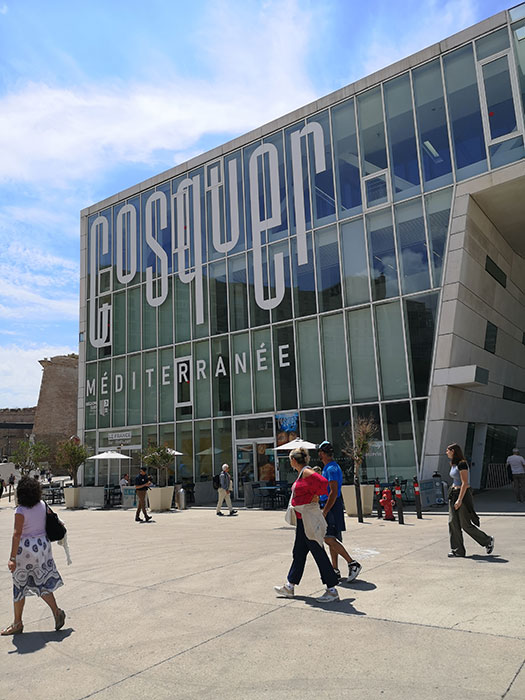
The Cosquer Cave is a museum which houses the replica of Cosquer Méditerranée. I was unable to take pictures in the cave, but I will share a few from the museum and with the exterior. I’ve embedded some pictures they shared on Instagram.
This cave was discovered in 1991, which was an incredible achievement. The entrance to the cave is 36 metres underwater. Now it is not unsafe to visit and the entrance was closed off. Before that happened, a team of experts recreated the cave which is now a very busy museum in Marseille. The cave has an astonishing 480 works of art painted or engraved on the rock, penguins, deer, ibex, bison, handprints, and hearth marks.
This cave was painted about 30,000 years ago, when the sea level was 120m below that of today’s. With the water still rising the cave will disappear, so having it preserved like this is amazing. See here more details.

The museum is close to the pier, with a few other museums nearby and the Old Port. It’s a wonderful location. During peak time they run out of at-the-door tickets, but we went in mid-June and it was before the school holidays started. The cave can be visited with a tour.
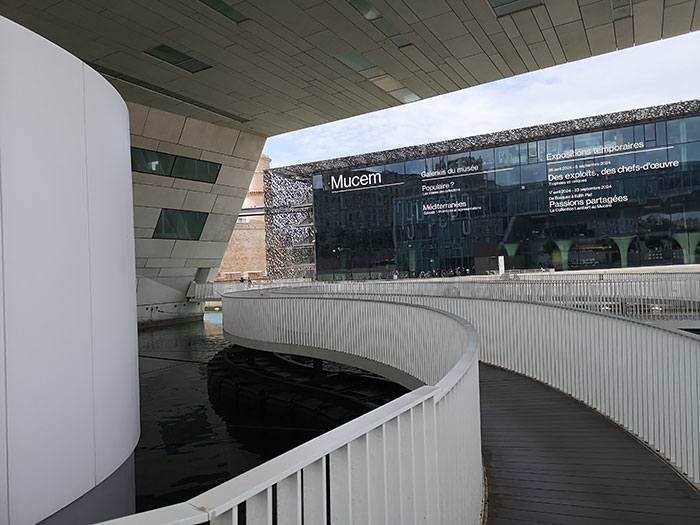
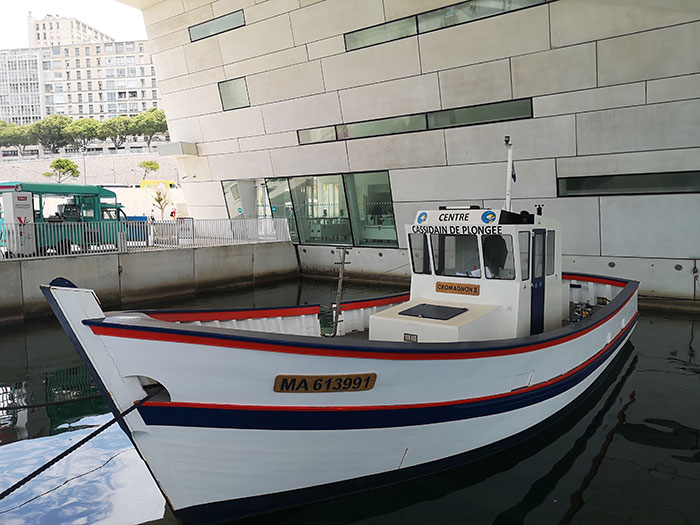
This is a reproduction of Henri Cosquer’s boat, which he used from 1985 until 1991 to discover and explore the cave. It is docked near the pier that leads to the entrance to the museum.
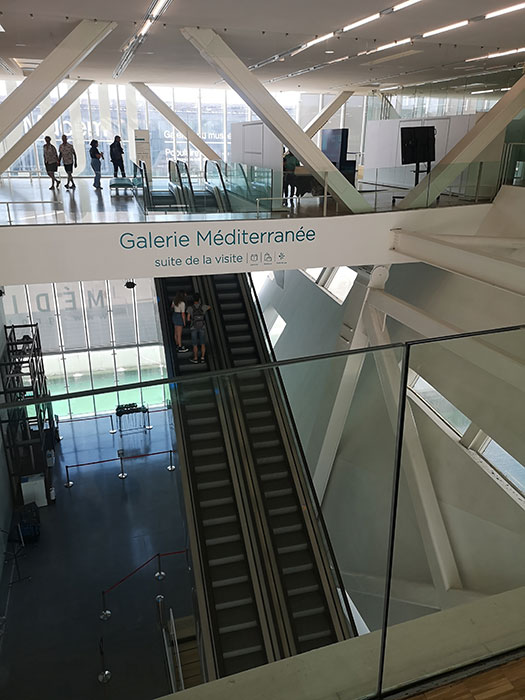
On the first floor is where the visitors get their headphones for the tour and wait for the lift to go down into the cave. On the first floor is the museum gallery.
View this post on Instagram
This is how the cave looks inside. Visitors sit in a car which takes them around the cave. Different paintings in the cave are highlighted to make it easier for visitors to identify them.
View this post on Instagram
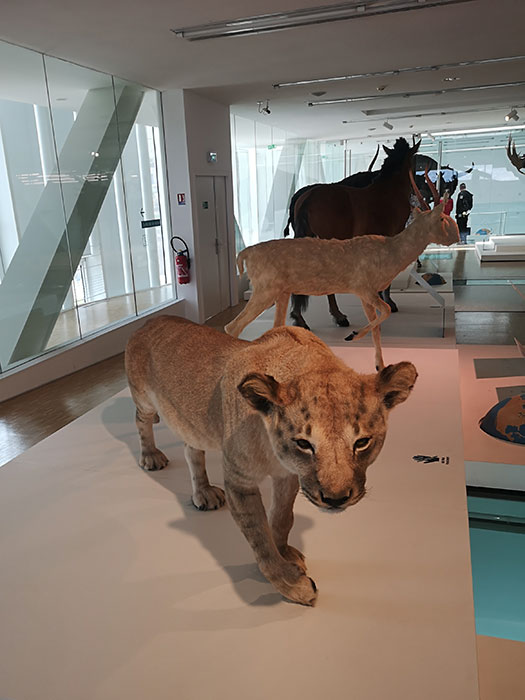
The museum’s section at the top of the building is very interesting too. There is also a small gift shop from where I bought a book about the cave.
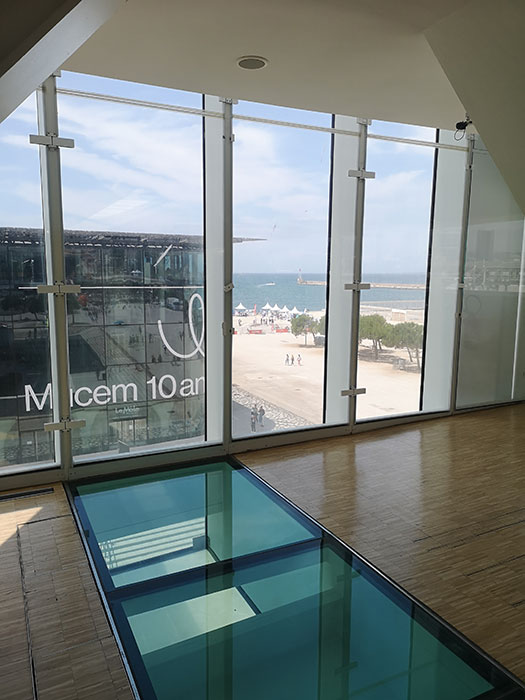
This is the entrance to the museum, seen from the 1st floor.
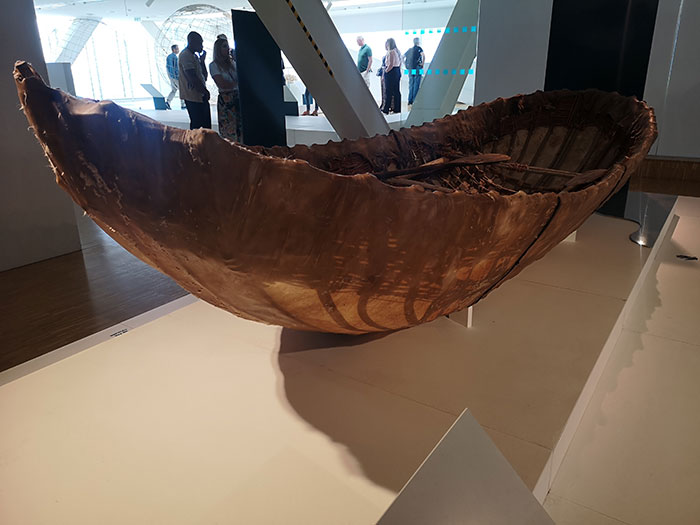
This is an experimental canoe, which might be similar to the ones used by prehistoric people. Of course, there are no real artefacts from that time, but some ideas of how they fished and what kind of tools and means of transportation they could have used can be assumed.
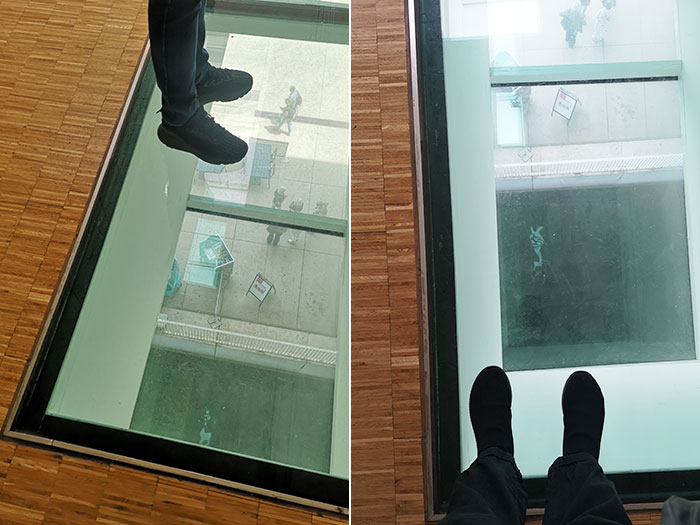
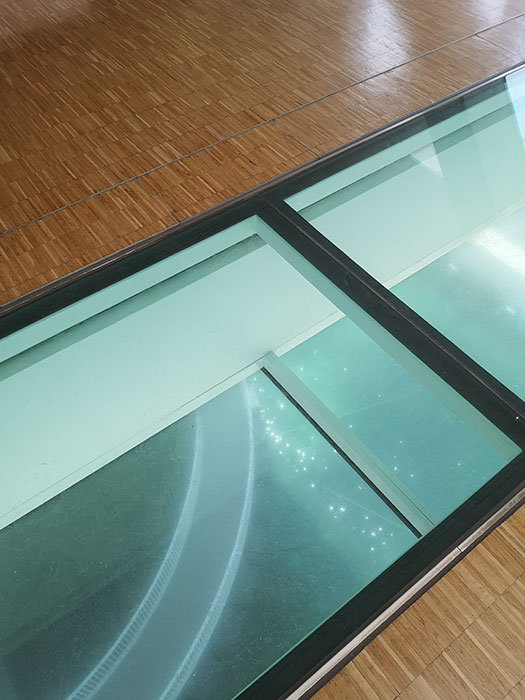
There are lots of glass parts on the floor. I used to be scared, but I got over it.
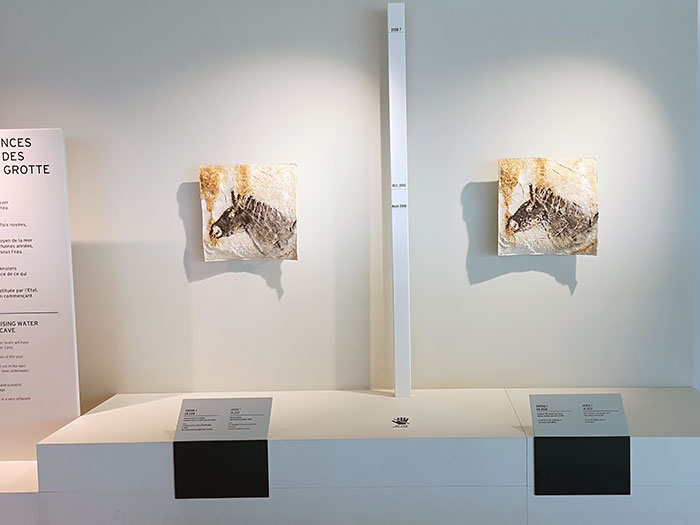
There is talk about climate change in the museum. The difference between the two drawings of the horses is 10 years. The one on the left has a clear chin and the neck is sharp. Due to water levels as a result of climate change, the second horse, from 2020, is visibly damaged. Climate change not only affects our future, it affects our past too.
I had a wonderful time at the museum and it is worth visiting. I would suggest allowing for at least 2 hours, preferably 3, to visit the museum properly, especially to pick something from the gift shop or to stop at their cafe.


Cave paintings and especially hand prints are eerily fascinating. This sounds like a very interesting place to visit. In the top photo of the exterior of the museum, exactly what is that sculpture (?) on the right end of the roofline? Thanks for including the link to see more.
The sculpture is of a penguin. There are penguins painted in the cave because they used to live in southern France at that point. It’s very strange to think of that when now, it is so hot there.
That is strange to imagine – penguins in the south of France. I kept seeing the sculpture as a dinosaur – some variety of raptor. (and still do, even knowing what it is now!)