
Eyam is well known in the UK, especially after COVID. Its fame comes from the days of the plaque in 1665-1666. In the summer of 1665 the village tailor Alexander Hadfield received a batch of fabrics from London infected with the plaque. His assistant, George Viccars, opened the parcel, became ill and died violently. His death was followed by others, including the tailor. The number of victims grew through until winter, when it slowed down, just to return in Spring. In 14 months 260 people died, out of a total population of around 800.
The rector, Rev. William Mompesson and his predecessor, the Rev. Thomas Stanley, convinced the villagers to accept a strict quarantine. This was to prevent the spread of the disease beyond the village boundary. The Earl of Devonshire and some charitable neighbours helped the villagers in the period of isolation. The villagers agreed to bury their own dead close to their homes, worship in the open air, and stay within the village. Only the wife of the rector is buried in the churchyard.
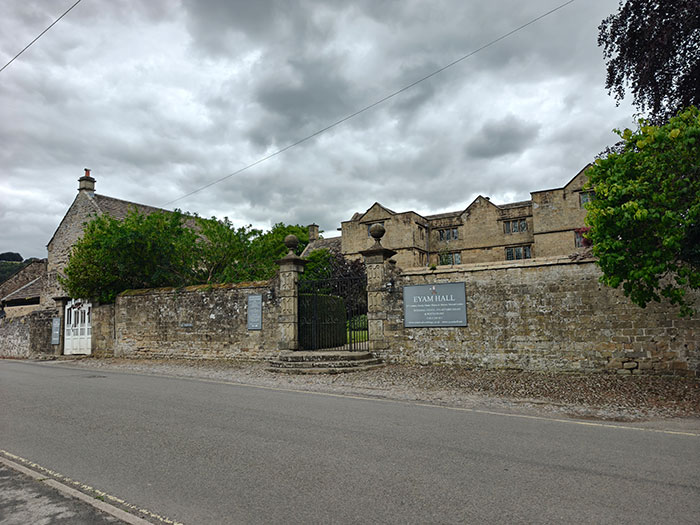
Eyam Hall
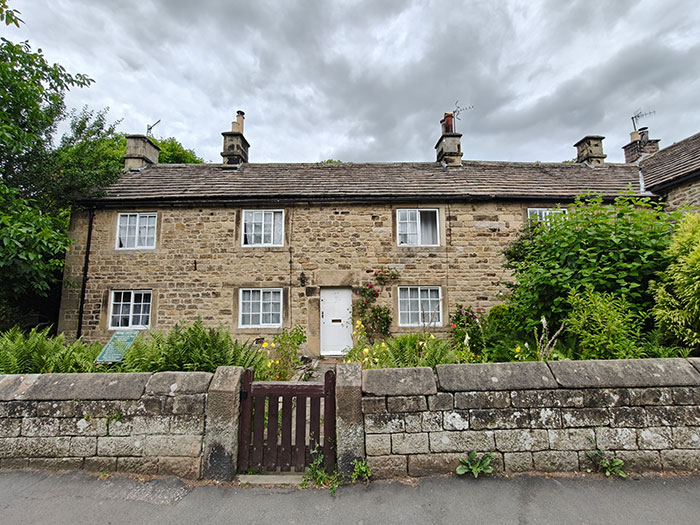
Rose Cottage. Thorpe family lived there, all 9 died, between 26 September 1665 and 2 May 1666, when the last 2 sons died.
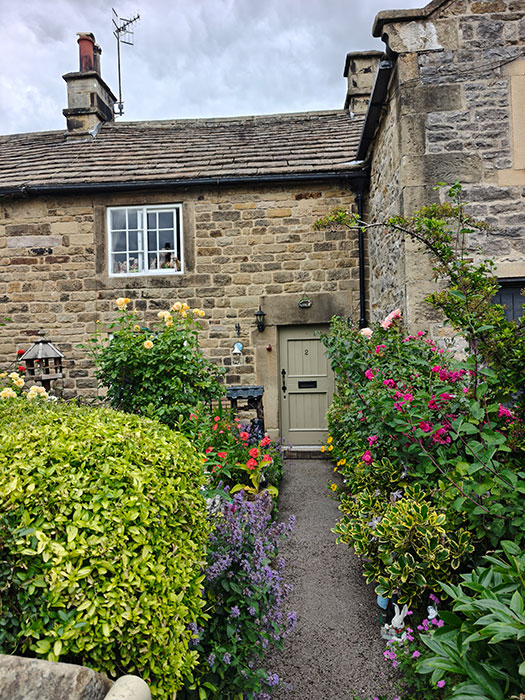
The next house is called Plaque Cottage, where the tailor lived. After the assistant died on 7 September 1665, one 4-year old son died 2 weeks later, the second son, aged 12, 2 weeks after that. The tailor died in August 1666. Only the wife, Mary, survived, but she lost 13 relatives.
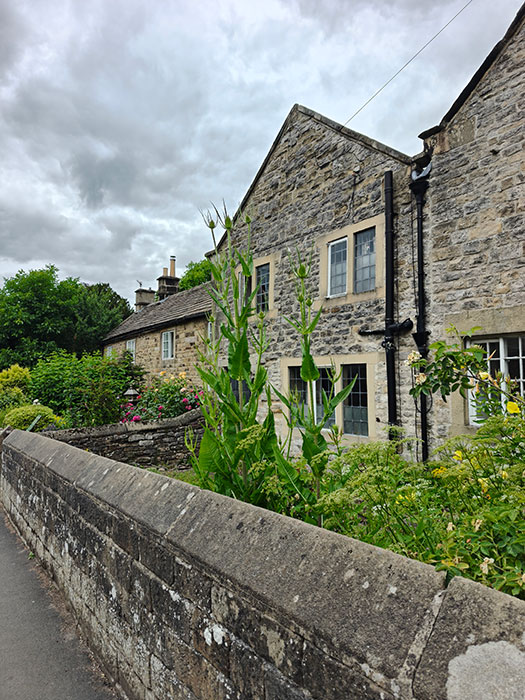
The third house in this row of cottages was home to the Hawsworth family. The third victim of the plaque died on 23 September 1665. Jane, the wife, was the only survivor. She lost 25 relatives.
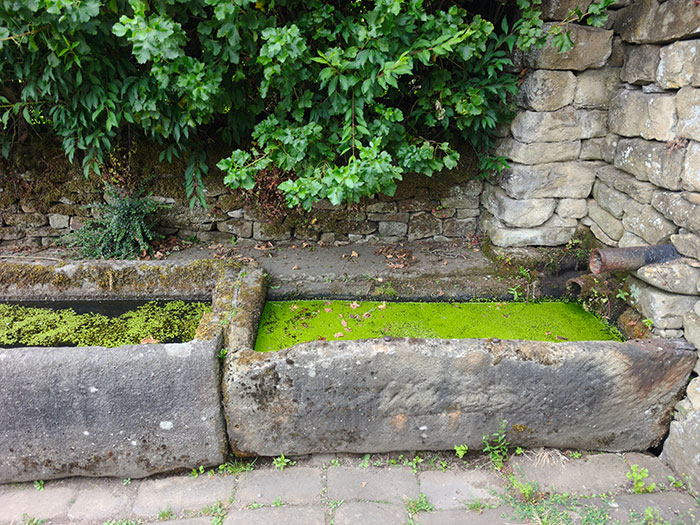
Hall Hill Troughs were established in 1558 for domestic and agricultural use. This could be the first public water supply in the country. It was used for almost 350 years.
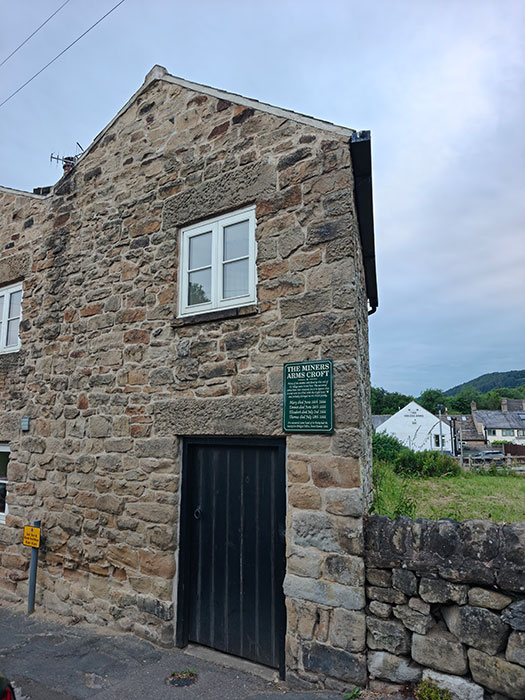
The Miners Arms Croft, a place where 4 people died of plaque in June-July 1666.
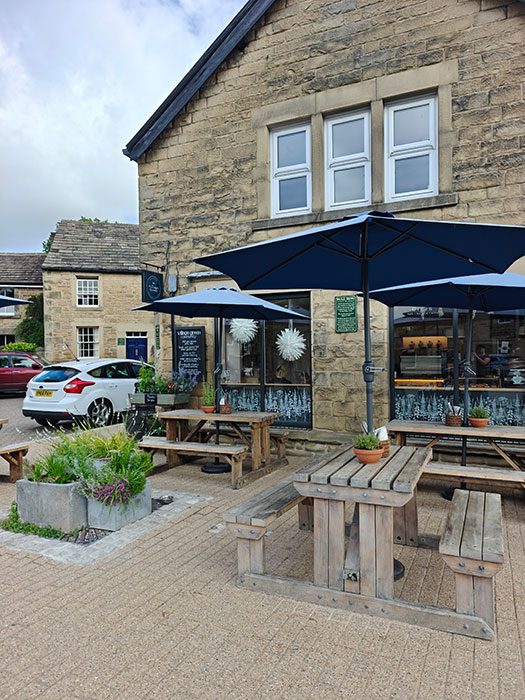
A local cafe, previously The Bold Rodney Inn and the Rowland family home. Thomas died in 1666, after the deaths of his daughters Hannah [15], Mary [13], and his son Abel [10]. His wife Alice and the last son Francis survived.
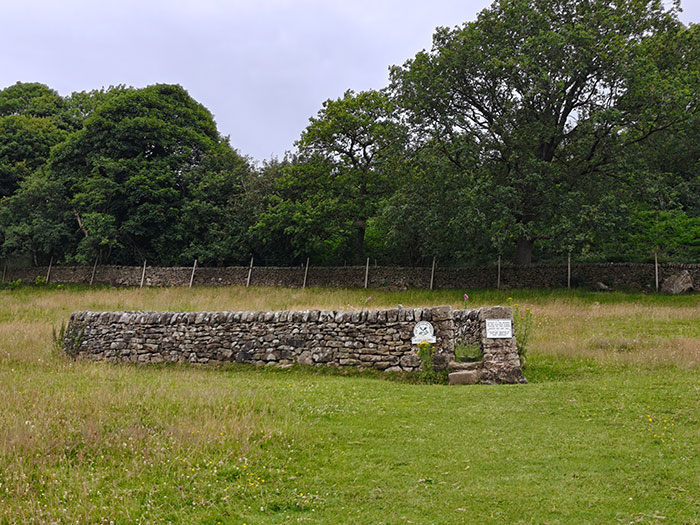
Above are the Riley Graves, an enclosure on a field, where 7 members of the Hancock family who died from the plague within 7 days of each other in August 1666 were buried.
Below are the Lydgate graves, of George Darby and his daughter Mary.
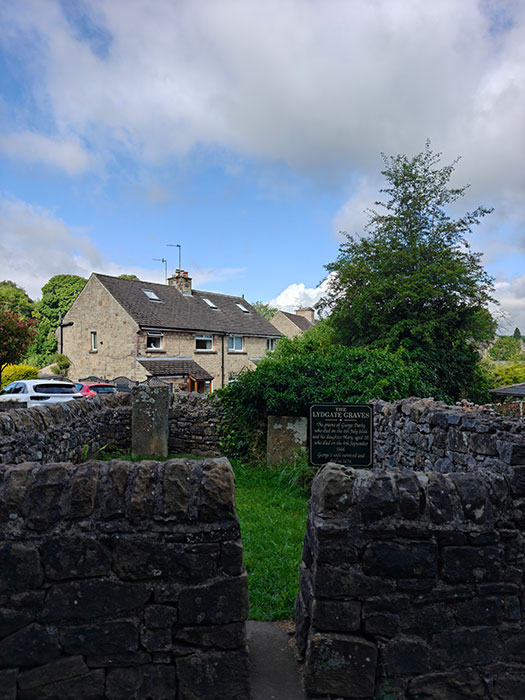
Seeing these graves among houses was difficult as it reminded me what happened in Ukraine since the first days of the full-scale invasion. People were buried in the green spaces between the blocks of flats, like the grandmother of one of the children I paint with. Burials close to where they were killed are still happening today, in the villages close to the frontlines, where it is very dangerous to even drive in. Not all bodies can be taken out, not all people are prepared to leave, so neighbours or family would bury the dead where they can.
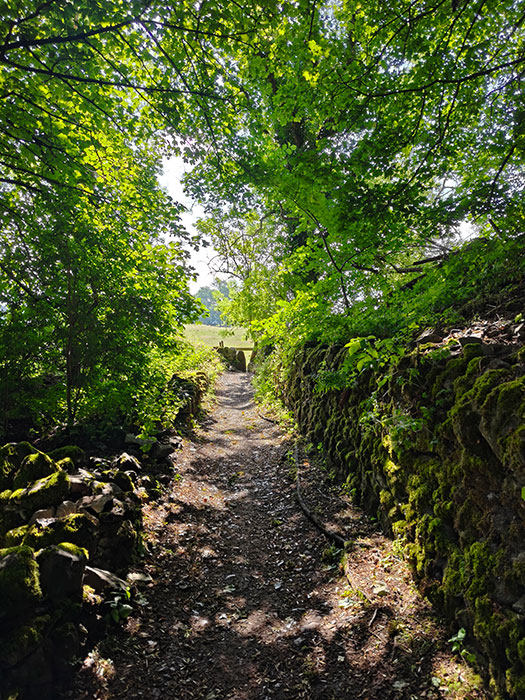
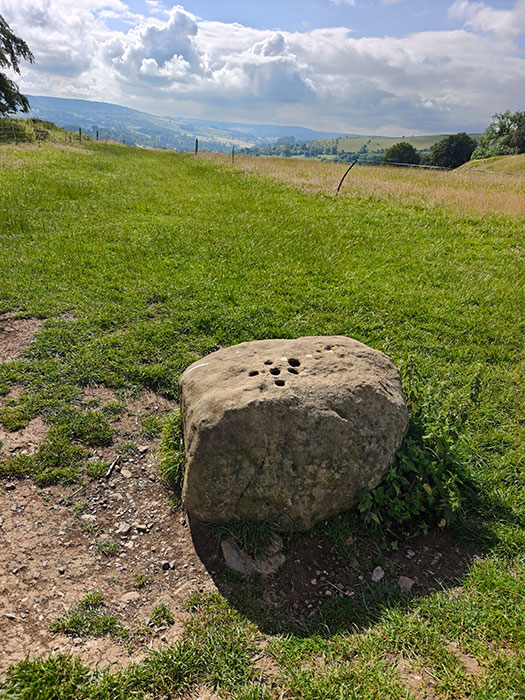
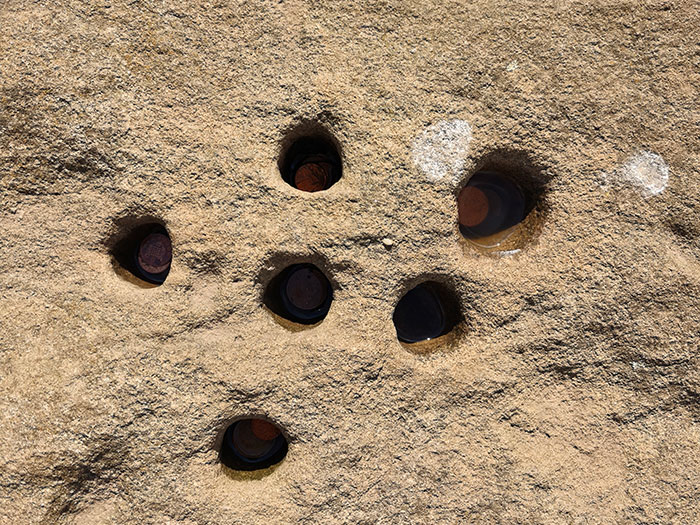
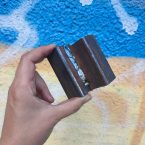
The boundary stone is a bit further away from the village. It was the marker where the villagers from Eyam would stop and where the villagers from the nearby Stoney Middleton would come to leave food and medical supplies. Money would be left in vinegar to pay for the supplies, see in the picture below.
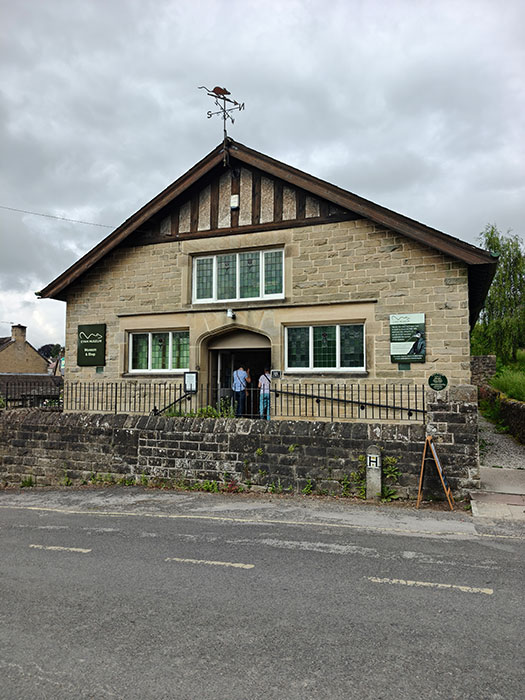
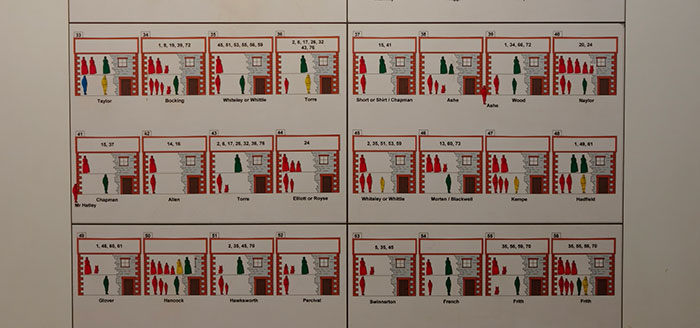
The museum is rather small but it is worth visiting. The highlight for me was how they presented the 76 houses affected.
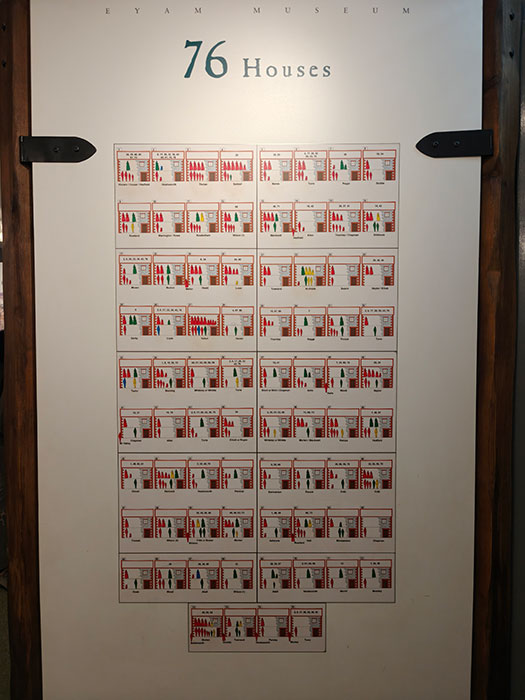
How poignant is this? A clear visual representation of the immense death toll the plaque had.
I am glad I visited the village. It was a place I knew about and wanted to visit before COVID. Many visited after and drew parallels with the epidemic. For me the full-scale invasion of Ukraine was more akin to what happened in the village than COVID.


Geraldine Brooks’ wonderful book “Year of Wonder” was based on the story of this town. It’s a profoundly sad, yet beautiful story and seeing the photos of the buildings and graves reminds me of what it would have looked like. Thanks for this!
I was about to say I’d not heard of Eyam, but I’ve definitely heard the story. Thanks for sharing the extra detail and the wonderful photos.
This is so fascinating. I did not know any of this!!!
This is fascinating and I liked seeing all your photos. I remember reading about places in France that isolated themselves and turned away travelers during plague years, as well.
I looked and it seems in France it was an imposed quarantine unlike the personal choice of the villagers, like in Eyam. Fascinating to read about France though, as I was not familiar with this.